clownery

clownery

6.1
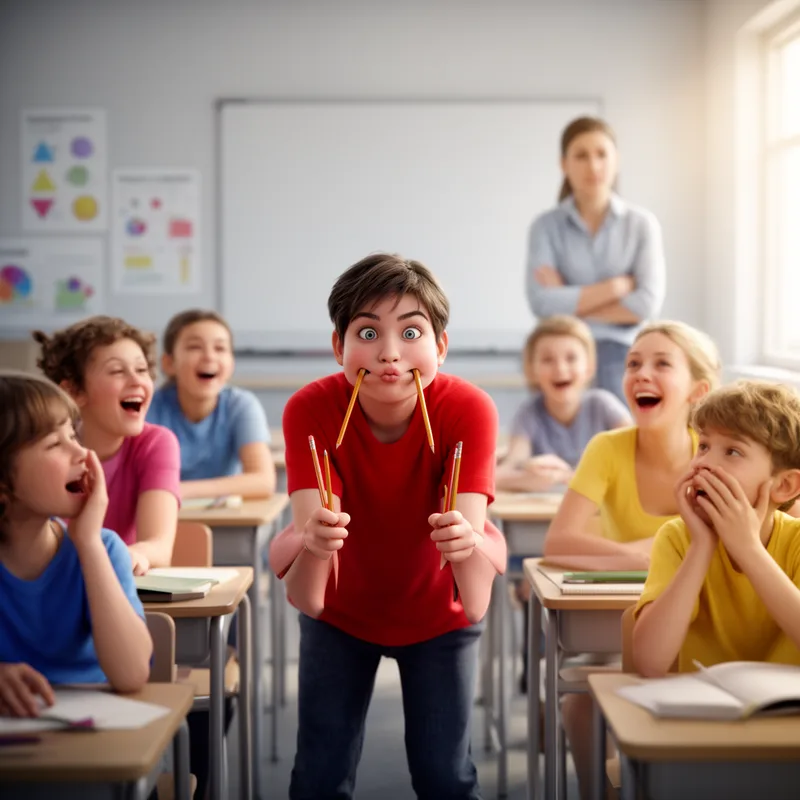
Silly behavior meant to make people laugh
  • noun
  • /ˈklaʊnəri/
  • Informal
translation icon : payasada
  • Tired of the clownery, the coach asked the team to focus on practice.

Examples

  • His clownery always makes the children laugh.

  • Her clownery at the party made everyone laugh and relax.

  • The teacher was not amused by his constant clownery during the lesson.

  • I can't stand such clownery during serious meetings.

  • His constant clownery made everyone laugh during the dull meeting.

  • The birthday party was filled with clownery, as the entertainer performed silly tricks and exaggerated gestures.

  • Children loved the clownery at the circus, where funny characters juggled and made jokes.

Synonyms

silliness
vsclownery
29 2.6

Playful or foolish behavior that is not serious and often funny

highlights silly conduct specifically aimed to amuse other people
clowning
vsclownery
8 3.2

Acting in a silly way to make people laugh

refers to silly behavior as a general quality rather than single acts
tomfoolery
vsclownery
  • Informal
7 8.2

Silly, playful behaviour that is not serious

focuses on silliness done to amuse rather than mischief or playfulness
buffoonery
vsclownery
5 7.9

Clown-like, silly actions meant to make people laugh

is the same meaning but uses an alternate label
foolery
vsclownery
2 6.1

Silly, harmless behavior that makes people laugh

stresses silliness done deliberately to entertain or make others laugh
jocularity
vsclownery
1 8.0

A playful, joking way of behaving that makes people laugh

is silly behavior shown by actions performed to entertain others
laughability
vsclownery
1 6.3

How much people laugh at something

focuses on actor's silly behavior rather than the object's funny effect
ludicrousness
vsclownery
1 7.5

A situation so silly or unreasonable that people laugh and do not believe it

covers ordinary silly behavior meant to amuse, not only extreme absurd cases
jackassery
vsclownery
  • Offensive
1 9.9

Behavior that is foolish, annoying, and often meant to make people laugh

focuses on silliness intended to amuse rather than being disruptive or annoying
japery
vsclownery
  • Archaic
1 9.9

Playful, foolish behavior that tries to make people laugh

emphasizes foolishness and silliness rather than only joking intent
comicality
vsclownery
1 7.4

A quality that makes people laugh

refers to silly actions performed specifically to make others laugh
facetiousness
vsclownery
1 7.8

A habit of making playful jokes about serious things

is straightforward silly behavior aimed to amuse rather than challenge seriousness
clownishness
vsclownery
4.6

Behaving in a silly, playful way like a clown to make people laugh

describes silly actions done especially to amuse other people
hoopy antic
vsclownery
  • Informal
9.9

Silly actions that try to make people laugh

is the general term for silly behavior meant to amuse people
antics
vsclownery
3.1

Funny or silly actions that try to make people laugh

covers broader silly behavior not limited to exaggerated or staged acts
prankishness
vsclownery
8.4

A liking for doing playful, slightly naughty tricks on other people

focuses on silly acts meant to amuse rather than planned pranks
waggery
vsclownery
  • Archaic
9.9

Playful acts that tease people in a friendly way

is broader silly conduct aimed to amuse, not limited to mischief
harmless devilment
vsclownery
7.0

Small playful acts that do no real harm

includes silly acts aimed to amuse even if they sometimes upset others

Antonyms

65 6.1

A serious, calm way of behaving that shows something is important

53 2.7

A calm and honest way of speaking or acting that shows you mean what you say

How Silly

slapstick
5 4.9
buffoonery
5 7.9
clownery
  • Informal
6.1
silliness
29 2.6
playfulness
8 2.5

Surface Forms

clownery singular
clowneries plural

Morphology

clownery = clown (transparent) = clown + ery

The noun 'clown' plus '-ery' straightforwardly denotes silly or foolish behavior intended to amuse.

Etymology

Clownery comes from clown (a funny performer who acts silly) and the ending -ery, which shows a type of action. So clownery means 'silly behaviour done to amuse people', the kind of acting that makes others laugh.