
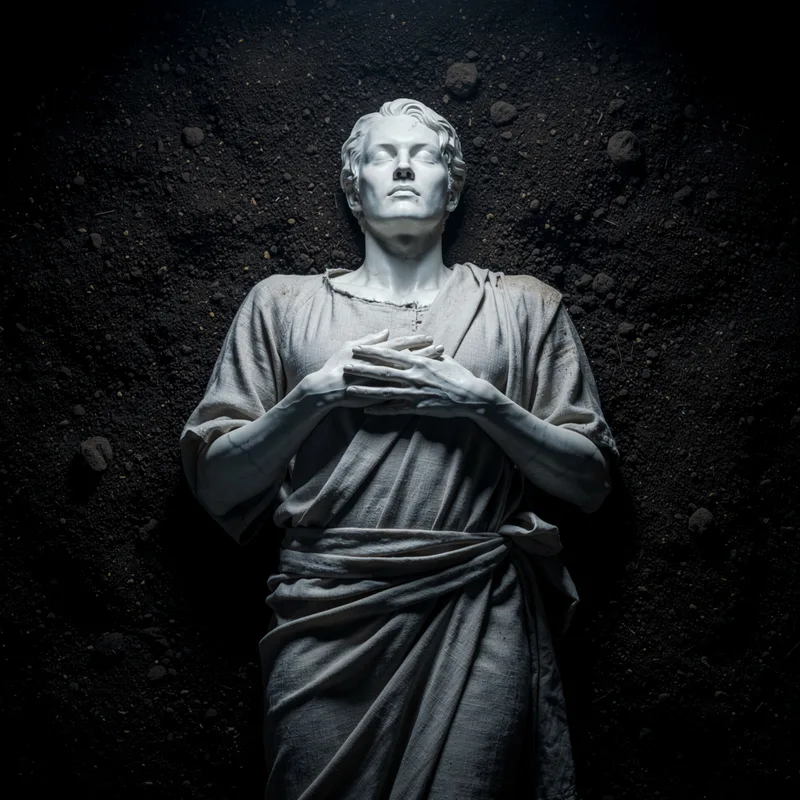
clay
 34
9.9
34
9.9

- noun
- /kleɪ/
- Archaic
- Then God forms Adam out of clay and breathes life into him.
Loading YouTube…
Watch on YouTubeAnd if you look around, we live in these cages of clay.
- And if you look around, we live in these cages of clay.
- Muse are creatures with feet of clay.
- Certain agonizing situations create on the spot a human where a moment before there was only, as the Bible says, clay.
Examples
-
We're all made of the same clay, you know!
-
The angels, which have no sex, are made of light, whereas humans are created from clay...
Academic text (2000) -
"In the beginning, God gave to every people a cup of clay... "
-
In the cold clay of the grave, your memories will be lost.
Fiction book (2002) -
Adam, whose name means clay was not baked in a kiln.
-
Are you merely a piece of clay to be molded by other imperfect human hands?
Blog text (26) -
To them, the sight of God's alter image rising from dust and clay brings no delight; in fact, they sulk.
Academic text (1992) -
We are no more devised from insensate clay than is an herb blossoming out of mud.
Fiction book (1991) -
Our bodies are made from the same clay that will eventually return to the earth.
-
In the poem, the author reflects on how our mortal forms are merely temporary vessels of clay.
Synonyms
 362
4.9
362
4.9
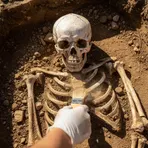
A dead body of a person
 171
6.0
171
6.0
The body parts left after a person has died
 55
8.2
55
8.2
A dead human body used for medical study or teaching
 11
9.1
11
9.1
A dead body of a person

A dead body mentioned in old stories or poems

A dead body often mentioned in old stories or books
Compounds
 2
6.6
2
6.6
A small flat disc people shoot in the air as a target in shooting sports like skeet


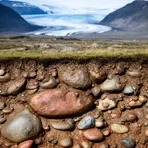

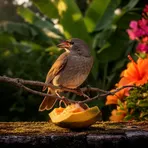
A small bird with dull brown-gray feathers that lives in Mexico and Central America

- Specialized
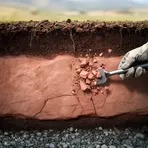
Soil made mostly of clay that stays after rain and wind wash away other rock parts


- Specialized
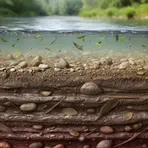
Small rock and plant pieces settle and press into soft earth after they are moved by water, wind or ice
Surface Forms
Etymology
Clay was also used to mean a person's body because people long ago said humans were 'made from clay'. A helpful way to remember this older use is to picture the body as the 'earthy' thing left in the ground, which is why poets called a dead body 'clay'.