
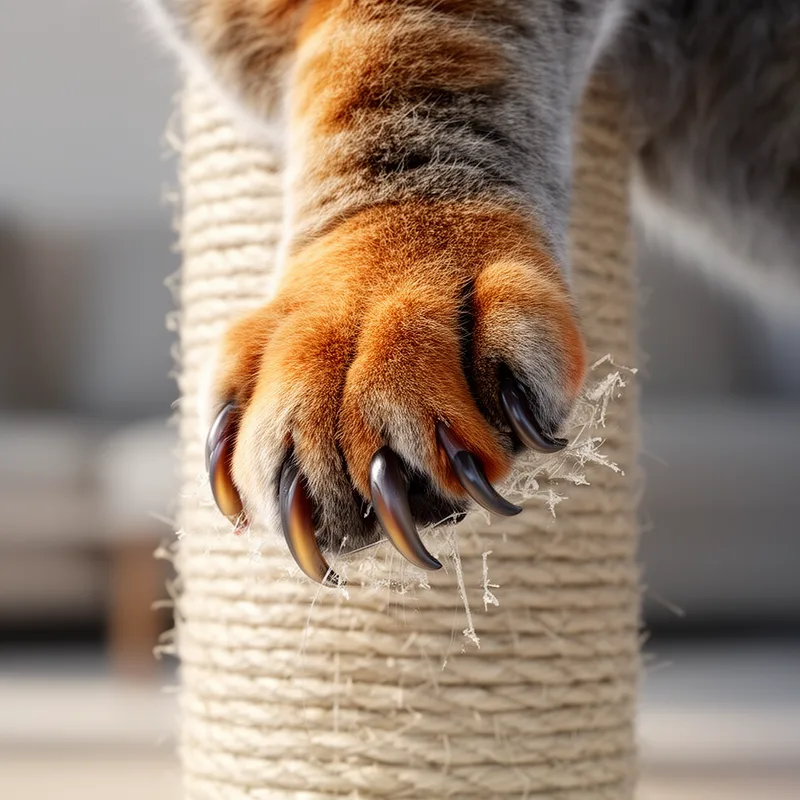
clawed
- adjective
- /klɔd/
- In the dark forest, clawed footprints were visible on the ground.
Loading YouTube…
Watch on YouTubeThe blind eye bright, the clawed hands soft, the ruined life intact.
- The blind eye bright, the clawed hands soft, the ruined life intact.
Examples
-
Weirder still, African clawed frogs have no tongues at all.
-
The eagle's clawed talons are designed for catching and holding prey.
-
The blind eye bright, the clawed hands soft, the ruined life intact.
-
They have wide wings and human necks and faces, feet clawed and the great bellies feathered, and they make lamentations on the strange trees.
-
She wore a costume that featured clawed hands to resemble a fierce monster.
Synonyms
Having nails or parts shaped like claws

Having parts shaped like claws, as in some paws or flower petals

Relating to the nails, claws, or hooves of animals
Compounds


 1
6.7
1
6.7
A water frog from Africa without a tongue that has claws and is often used in labs
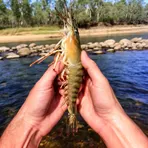
- Australian
A large edible freshwater shrimp from Australian rivers with very long claws
How Clawed
1
8.0

Surface Forms
Morphology
Etymology
Clawed comes from the simple word claw, which long ago meant a curved 'hook' or 'nail' on an animal's foot, and the -ed ending shows 'having' that feature. So, clawed means having those sharp, curved hooks that help an animal catch, hold, or climb.