
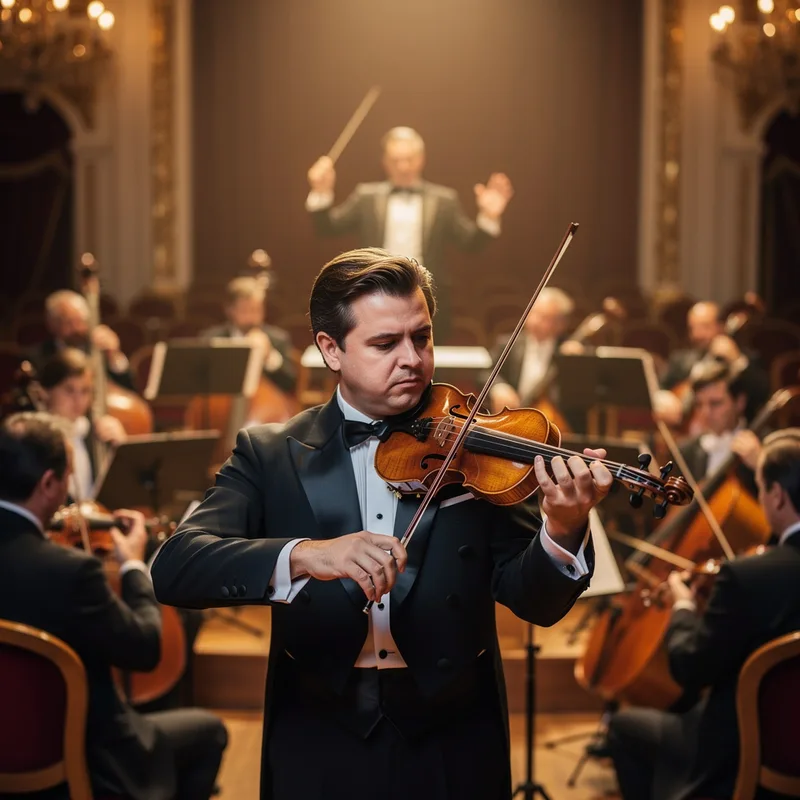
classical music
 62
2.9
62
2.9

- noun
- /ˈklæsɪkəl ˈmjuːzɪk/
- Clearly, all of these fine young groups are taking classical music where it never existed before.
- listening to classical music
- a classical music concert
- audiences for classical music
Loading YouTube…
Watch on YouTubeSo Django was always also influenced by classical music.
- So Django was always also influenced by classical music.
- And now my parents have no connections at this point into the classical music world.
- OK, one point I want to make before we go on is the difference between the analysis of what we're doing in relation to classical music or jazz.
- You know, so why are, you know, you chose classical music?
- So like a better tennis player or a better listener to classical music or a better mother.
- So mainly like Rancid, Operation Ivy, Bob Dylan, always loved Bob Dylan classical music when I study and that was it.
Examples
-
If you've ever listened to classical music, it's it's really remarkable when you pay attention to what's going on within a Symphony.
-
The geography of music, especially classical music, offers insights into the organization of social space.
Academic text (1998) -
I took Sensei to a place about ten minutes away that specialized in classical music.
Fiction book (2002) -
Andrew closes his eyes, concentrating for a moment on the classical music... then goes back to work.
Fiction book (1993) -
Studies show that classical music improves focus and boosts creativity.
-
In the 1950s, he engineered and produced classical music albums for Angel Records.
Academic text (2011) -
I think my favorite song in the classical music repertoire is a song by Debussy.
-
At night, he listened to classical music and read books on waterfowl decoys.
Fiction book (1992) -
What follows are four strategies that connect classical music to popular music in ways that are provocative and open-ended.
Academic text (2011) -
Many people find that listening to classical music helps them relax after a stressful day.
Synonyms
 1
3.9
1
3.9
Formal European music from the 18th and 19th centuries
 1
6.5
1
6.5
Music that people listen to carefully, like symphonies and operas
How Tasteful

Surface Forms
Morphology
The meaning is directly compositional: 'classical' (relating to the classical/traditional style or historical classical period) modifies 'music', so the phrase denotes music of that style/period. This adjective+noun pattern is common and mirrored in many languages, so a B1 learner who knows both constituents will readily infer the intended genre.
Etymology
Classical music comes from people calling older, important pieces classical, a way of saying 'classic' or model. People pictured formal concerts with many instruments and clear rules, so classical music came to mean the serious, structured kind of 'music' played by orchestras today.