

to clash
 13
2.2
13
2.2

- verb
- /klæʃ/
- On the ice, two teams clash, chasing the puck up and back, checking galore.
Examples
-
When the cars clashed, the sound echoed through the street.
-
Three times they clashed so that the blood flowed in the valley.
-
The two armies clashed when they met, spreading out their right wings.
-
As the two armies clashed, both sides sent for reinforcements.
-
Twenty years later, the Raisani tribe clashed with another tribe, the Rind, following local elections.
Academic text (2003) -
More recently, in 1986, the two militaries clashed at Sumdurong Chu near the China-Bhutan-India border.
Academic text (1997) -
Even before the party's official formation, proto-Hezbollah militants clashed with the police in the southern suburbs of Beirut.
Academic text (2013) -
Chinese convictions concerning the absolute necessity of violence and continuous struggle clashed bitterly with the Soviet doctrine of "peaceful coexistence."
Academic text (1997) -
The plates fell and clashed loudly on the floor.
-
The two teams clashed in a fierce battle for the championship.
Synonyms
 71
2.4
71
2.4
To make a sudden loud noise by hitting or falling
 64
3.1
64
3.1
Crash into each other while moving
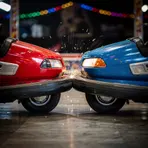 38
3.7
38
3.7
Hit something or someone while moving, causing a sudden strong crash
 29
3.9
29
3.9
To make a loud rattling sound by hitting hard things together


 1
5.9
1
5.9
To hit something with strong force while moving
Compounds

- Jargon
A hurling match between teams, named for wooden sticks called hurleys striking together
How Forceful

Surface Forms
Etymology
Clash is an old sound word that copies the noise of two hard things hitting, like clang or crash, so you can remember it as the sound of objects 'hitting' together. This is why to clash can mean to crash together with a loud, violent impact.