

clannish
 1
8.2
1
8.2

- adjective
- /ˈklænɪʃ/
- In their remote village, the inhabitants were very clannish, preferring to socialize only with their own families.
- clannish nature
- clannish people
- almost clannish
Examples
-
Highland cultures are almost universally prideful, clannish, and hospitable, as well as suspicious.
Academic text (2010) -
Joseph Coope, who took over his family's stall at the Leeds mixed cloth hall in the 1790s, summed up the clannish feeling.
Academic text (1993) -
Or do we hate them 'cause they're clannish and keep to themselves?
-
Most of the people here are related to each other, so they're clannish.
-
They were, as a woman from Donegal had once said of her countrymen, a clannish lot.
Fiction book (1998) -
Howard Grose reported that "They are clannish and clash with Lithuanians and other races."
Academic text (1996) -
Rockport was clannish.
Fiction book (2001) -
It is an ethos of scarcity and isolation in small interrelated communities, clannish and tribal.
Blog text (32) -
He sought to converse with the nusk handlers, but they were a surly, clannish lot who seemed to have scant regard for anyone save their own kind.
Fiction book (1990) -
The members of the exclusive club were known to be quite clannish, rarely welcoming newcomers into their circle.
Synonyms
 2
7.7
2
7.7
Likely to form small groups of friends that exclude others
 2
7.5
2
7.5
A place or group that is friendly to members but keeps new people out
 1
8.2
1
8.2
Forming small groups that make other people feel unwelcome
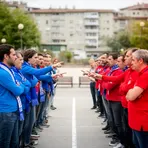
Showing strong loyalty to one group and causing conflict with other groups
Antonyms


How Exclusive

Surface Forms
Morphology
Etymology
Clannish comes from clan, an old Irish and Scottish word meaning 'children' or 'family', and the ending -ish that turns a noun into an adjective, so clannish describes people who keep to their own group and often exclude others.