
clad
 13
6.7
13
6.7

- adjective
- /klæd/
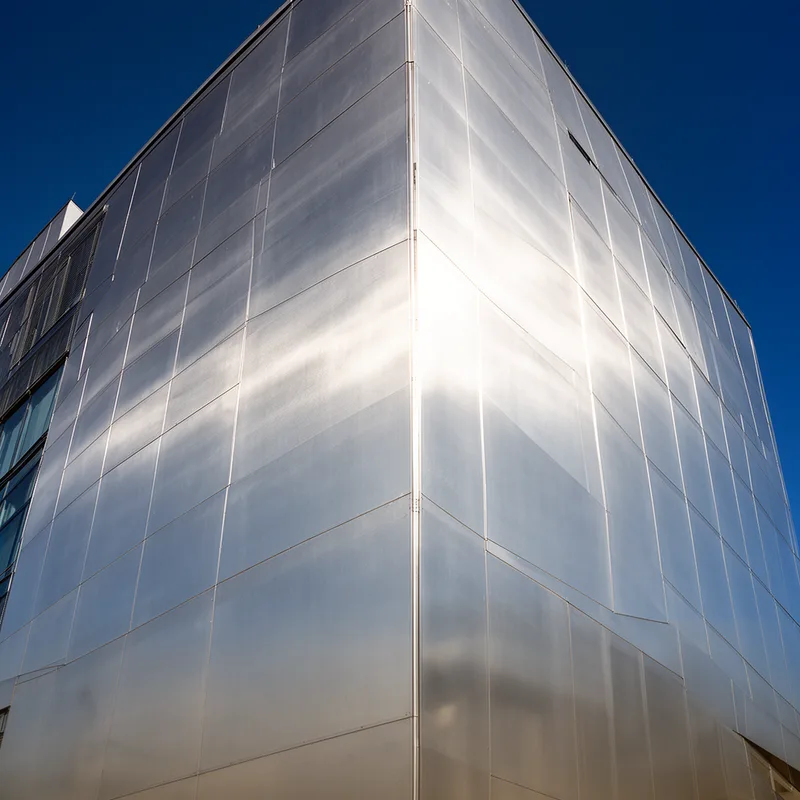
- The building was beautifully clad in shiny bronze panels.
- iron-clad
- leather-clad
- snow-clad
Examples
-
To the west, the Worldsend Mountains provided a daunting barrier of ice-clad peaks and frozen rivers.
Fiction book (1991) -
Striding across the soft planks, he called on the yellow-clad proprietor: "You, there!"
Fiction book (1995) -
While here you can almost get away with anything, anything like a house clad entirely in beer cans.
-
But other, even longer snakes, these clad in blue, surely lay ahead.
Fiction book (1992) -
This is pure copper, not copper clad aluminium.
-
Her eyes kept going back to the satin-clad doll, newly named Anna.
Fiction book (2000) -
In November 1836, Wool noted that "volunteers were not sufficiently clad for the rigors of winter."
Academic text (2011) -
Soon, all Trojans had fled or perished, all but Hector, clad in the armor that had failed to protect Patroclus.
-
He wore a clad suit that made him look very elegant.
-
The mountain was clad in a thick layer of snow during the winter.
Synonyms
 276
4.4
276
4.4
Protected by strong metal or thick plates to stop bullets
 12
3.9
12
3.9
Wearing a certain kind of clothing or covered with a material
 5
4.2
5
4.2
Covered with a protective outer layer, for example cables or pipes
 2
5.3
2
5.3
A vehicle or object with thick metal on the outside to protect against attack
 1
4.1
1
4.1
Covered in steel to make it strong and safe


 1
4.1
1
4.1
Covered with metal plates for strength and protection
 1
3.4
1
3.4
Covered by a thin layer of another substance for protection or decoration
 1
4.2
1
4.2
Having a smooth, hard, shiny surface for protection or decoration
 1
1.0
1
1.0
Having something on top or around it
 1
7.2
1
7.2
Covered with heavy metal plates for protection

Covered with thin metal sheets for light protection on ships

Covered by a protective layer or case

Covered by a protective layer like a shell or wrapper

A thing that has a box or outer layer that protects it

A thing that is covered by a layer like a cloak or mist
Antonyms

Idioms
Compounds



How Covered

Surface Forms
Etymology
Clad comes from an old word for 'cloth' and is the same root as cloth and clothe. So when something is clad it is 'covered' or wrapped in a material, like a building clad in metal.