
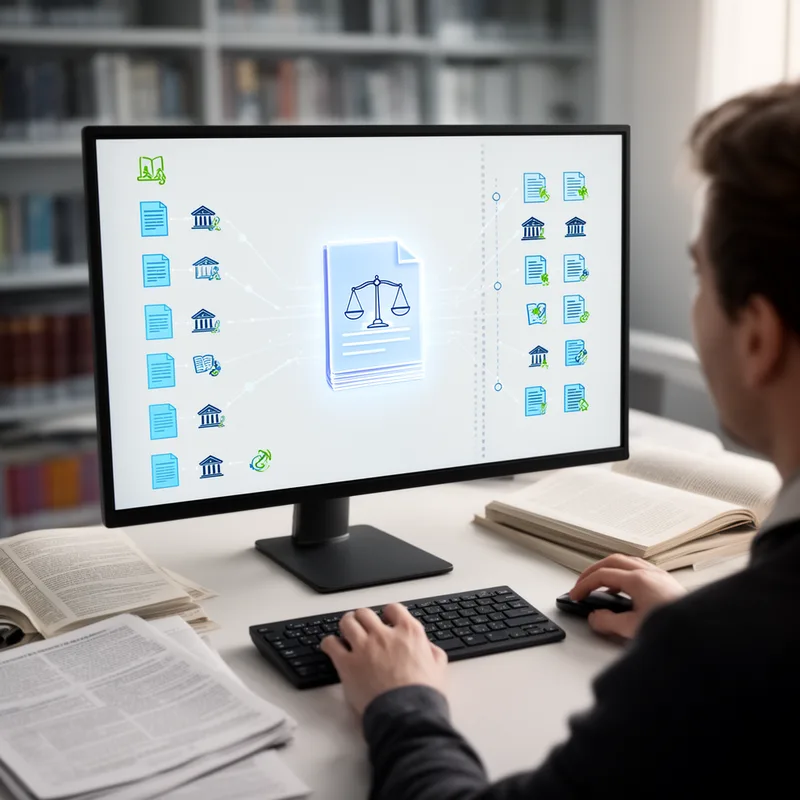
citator
- noun
- /ˈsaɪˌteɪtər/
- Specialized
- The legal assistant used the citator to confirm the precedent set by earlier cases.
Examples
-
Although West's Hauptly says, "A product without a citator doesn't fill a whole need," many lawyers find they can eschew such services to cut costs.
Academic text (1999) -
A part of West Group, which in turn is owned by the Canadian publishing conglomerate Thomson Corp., the research service developed its own citator to rival Shepard's.
Academic text (1999) -
These new legal resource providers offer lower-priced online services such as comprehensive state case and code libraries, but they lack research aids such as headnotes and citators.
Academic text (1999) -
A citator is essential for lawyers to track how a legal case has been cited in subsequent rulings.
-
Students often use a citator to find references for their research papers in law classes.
Synonyms

An online database that gives details and links for academic articles
How Comprehensive


Surface Forms
Morphology
Etymology
Citator used for a publication or tool comes from the Latin word citare meaning 'to call', like in cite and citation. A citator is a list or database that 'calls out' where a case or paper has been mentioned, which is why it helps you find how works have been cited later.