

to cipher
9.9
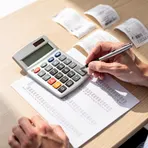
To do sums with numbers
- verb
- /ˈsaɪfər/
- Archaic
:
calcular
- If boys could not cipher during lessons, they received extra help to improve their math skills.
Examples
-
Good, religious people, both able to read and cipher as well as any white person.
Fiction book (1993) -
Will was bright and could cipher well in his arithmetic classes.
-
Madam Washington trained her children early, ensuring they could cipher accurately by the time they reached school.
Synonyms

to figure
vsto cipher
 ∞
3.8
∞
3.8

To think about something to find an answer
is narrowly about arithmetic action not general thinking or imagining

to calculate
vsto cipher
210
2.8
To work out an amount using maths or a calculator
focuses specifically on doing arithmetic rather than broader organised methods
to work out
vsto cipher
122
2.8
To calculate a number or total from given facts
is limited to direct arithmetic action rather than thoughtful estimation

to compute
vsto cipher
58
4.0
To calculate numbers, often using a computer or calculator
emphasizes manual arithmetic action rather than machine aided processes

to reckon
vsto cipher
14
4.0
To calculate an amount or number
refers specifically to arithmetic action rather than to estimate or count

8.1
To work out calculations with numbers
is the older archaic form rarely used in modern writing
Surface Forms
Etymology
To cipher (archaic) once meant to do arithmetic or calculate, because the word comes from Arabic sifr 'zero' and was used for working with numbers; that is why the old verb meant 'to work out sums'.