
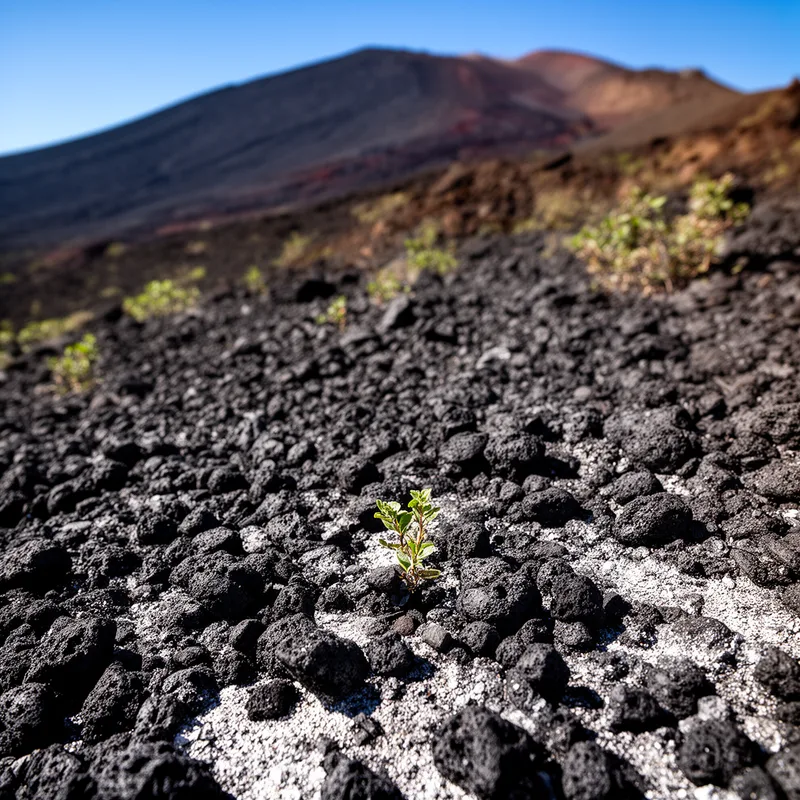
cindery
- adjective
- /ˈsɪndəri/
- The next morning on the way to work, my bus passed what was left of Loew's Grand: nothing but charred, cindery black stalks behind yellow police ribbons.
Examples
-
She went toward him as fast as she could on the cindery, stony soil in her high-heeled sandals.
Fiction book (1992) -
Argenty's voice became like the landscape beyond the cindery cement blocks of the city: monotonous, inevitably irritating, depressing, useless, and sad.
Fiction book (1998) -
The air held the astringent, cindery smell of approaching snow.
Fiction book (1997) -
Mrs. Cunningham was already an old woman when I met her, so it was difficult, there in the cindery darkness of her house, to imagine her with enough passion in her to do something that would drive her daughters away, enough despair to choose this particular way of dying.
Fiction book (1998) -
Sometimes I envied my cindery sister Shina—especially after a night like my last one, full of tears.
Fiction book (1997) -
She had started up, parting with the road that sank away below her, a cindery, flat level with some rusted narrow-gauge rails where ore carts had once been loaded.
Fiction book (1993) -
She carefully walked across the cindery ground, making sure not to scuff her shoes.
-
After the fire, the landscape was left barren and cindery, resembling a desolate wasteland.
-
The cindery remains of the bonfire were still warm as we gathered around to roast marshmallows.
Antonyms


Surface Forms
Morphology
Etymology
The word cindery comes from the common word cinder, which means 'small piece of burned coal or ash', plus the ending -y that means 'full of' or 'like'. So cindery describes something that is 'full of' or 'like' cinders—covered with ash or small burnt bits.