
cider gum
- noun
- Australian
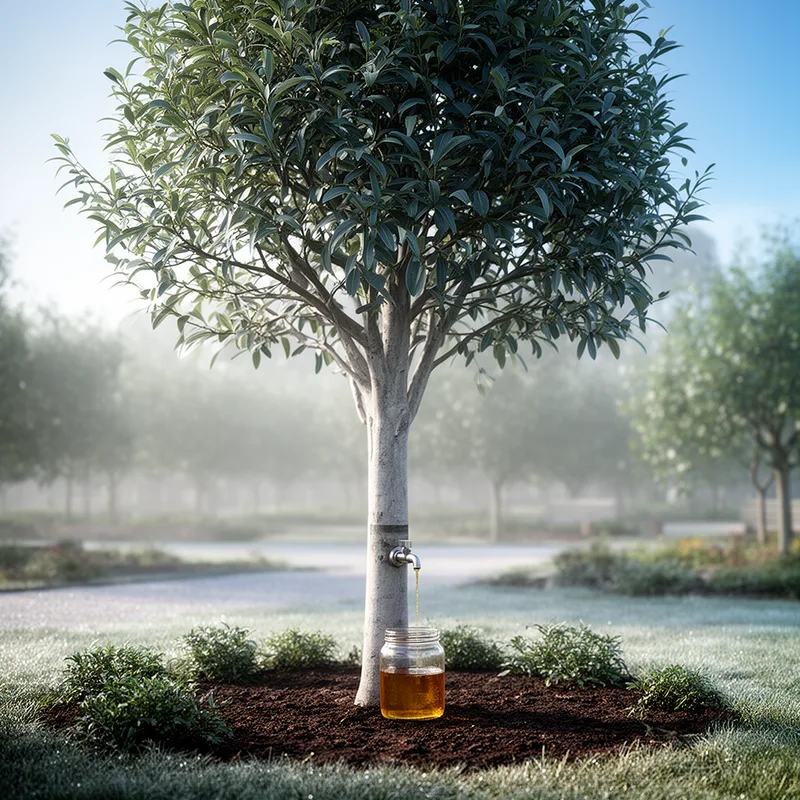
- Farmers sometimes tap the cider gum to collect its sweet sap, which can be fermented.
Examples
-
A beautiful cider gum stood in the center of the botanical garden, attracting many visitors.
-
The cider gum is known for its ability to tolerate cold climates in Tasmania.
-
The cider gum tree is beautiful in spring.
-
Many gardeners love the cider gum for its unique bark.
-
A majestic cider gum can be found in many Tasmanian gardens, admired for its resilience and beauty.
-
The farmer carefully tapped the cider gum, eager to collect the sap that was prized for making sweet beverages.
-
In cold winters, the cider gum thrives, standing out among other trees with its striking appearance.
Synonyms

A small evergreen tree from Tasmania called the cider gum, often grown in gardens for its blue-grey leaves
Surface Forms
Morphology
cider + gum
The compound is a noun–noun combination where 'gum' provides the core meaning 'a gum/eucalyptus tree' and 'cider' functions as a modifier specifying a particular type or quality (e.g., sap associated with cider). A B1 learner who knows both words would reasonably infer this refers to a kind of gum tree related to cider-like sap or use, even if they don’t know the exact species name.
Etymology
Cider gum got its name because early settlers tapped the tree's bark for sweet sap and sometimes made a drink like cider, while gum was the common name for this kind of tree. That's why the name cider gum stuck and the tree is known for its sap and its use as a small ornamental tree.

