
chronometric


 1
8.2
1
8.2
- adjective
- /ˌkrɒnəˈmɛtrɪk/
- Specialized
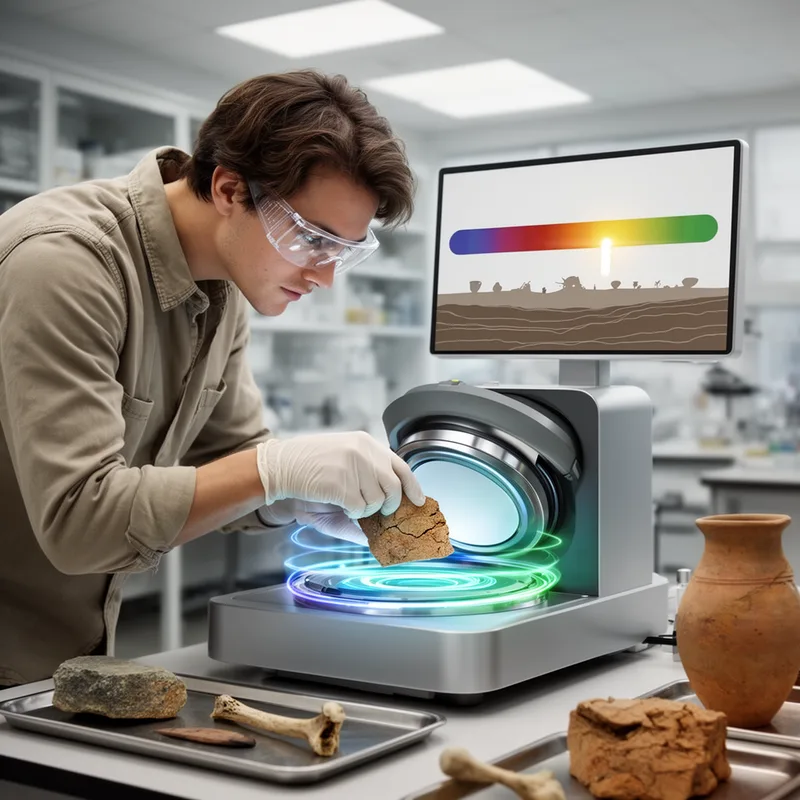
- Radiocarbon dating is a common chronometric technique in archaeological research.
Examples
-
Advances in chronometric methods have improved our understanding of early human history.
-
The chronometric dating methods revealed the age of the artifacts.
-
The team used chronometric analysis to establish the precise age of the ancient pottery.
-
Scientists use chronometric techniques to study ancient civilizations.
-
Archaeologists often use chronometric techniques to date ancient artifacts accurately.
-
The chronometric methods employed by geologists help determine the age of rock layers.
-
To unravel the mysteries of the past, scientists rely heavily on chronometric dating methods.
Surface Forms
Morphology
Etymology
Chronometric comes from Greek parts chron- meaning 'time' and -metric meaning 'measure', the same chron- you see in chronometer, a precise clock. So chronometric analysis is about using methods that 'measure' 'time' to find the exact age of objects.