
chronographic
- adjective
- /ˌkrɒnəˈɡræfɪk/
- Specialized
- With the chronographic method, historians can better understand the timeline of significant events.
Examples
-
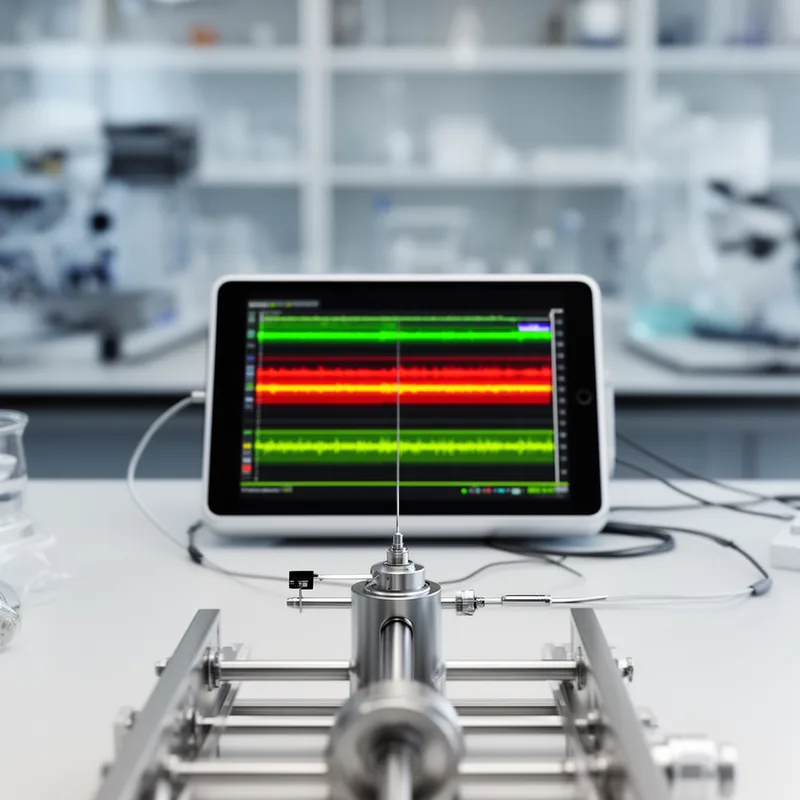
The scientist used a chronographic device to accurately measure the duration of the experiment.
-
In two recent books, Georges Didi-Huberman has pointedly confronted the modern discipline of art history with its own chronographic complacency.
Academic text (2005) -
The artist's installation featured a chronographic display that illustrated the evolution of technology over the years.
Synonyms

 1
8.0
1
8.0

Relating to measuring time, for example in clocks or timers
 1
8.5
1
8.5
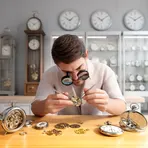
Relating to measuring time and making clocks and watches
Surface Forms
Morphology
chronographic = chronograph (transparent) = chronograph + ic
Derivation from 'chronograph' + '-ic' yields an adjective meaning 'relating to the recording or measurement of time', which learners can infer from the base.
Etymology
Chronographic comes from the Greek parts chron- 'time' and -graph 'to write or record', similar to the word chronicle. It gives the idea of 'recording time', which is why we use it for systems or studies that measure and record how long events take.