
chromogen
- noun
- /ˈkroʊməˌdʒɛn/
- Specialized
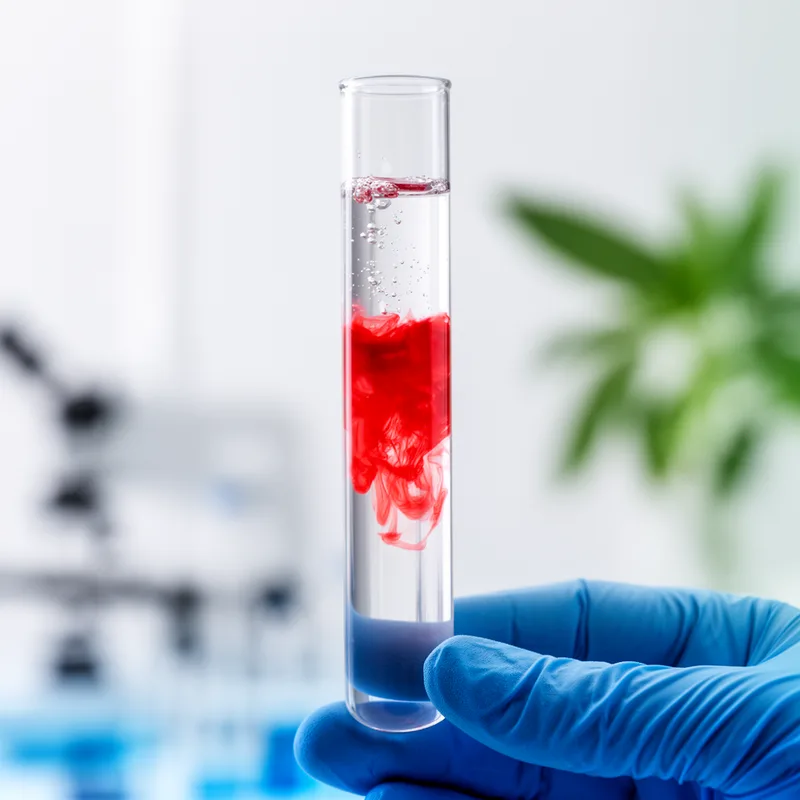
- In biological staining, the chromogen plays a crucial role in producing visible colors that highlight cellular components.
Examples
-
For staining 3,3'-Diaminobenzidine (DAB) chromogen solution (1 drop of DAB chromogen mixed with 1 ml of the DAB substrate) was poured onto the tissue sections.
Academic text (2015) -
For staining 3,3'-Diaminobenzidine (DAB) chromogen solution (1 drop of DAB chromogen mixed with 1 ml of the DAB substrate) was poured onto the tissue sections.
Academic text (2015) -
The researcher added a chromogen to the solution, which caused a vibrant color change in the sample.
-
During the experiment, the chromogen converted into a dark pigment, revealing the structures under the microscope.
Surface Forms
Morphology
Etymology
The word chromogen comes from the Greek parts chromo- meaning 'color' and -gen meaning 'to produce', the same 'color' root you see in chrome. So a chromogen is a substance that can 'produce color' or turn into a color.

