
chorda
- noun
- /ˈkɔrdə/
- Specialized
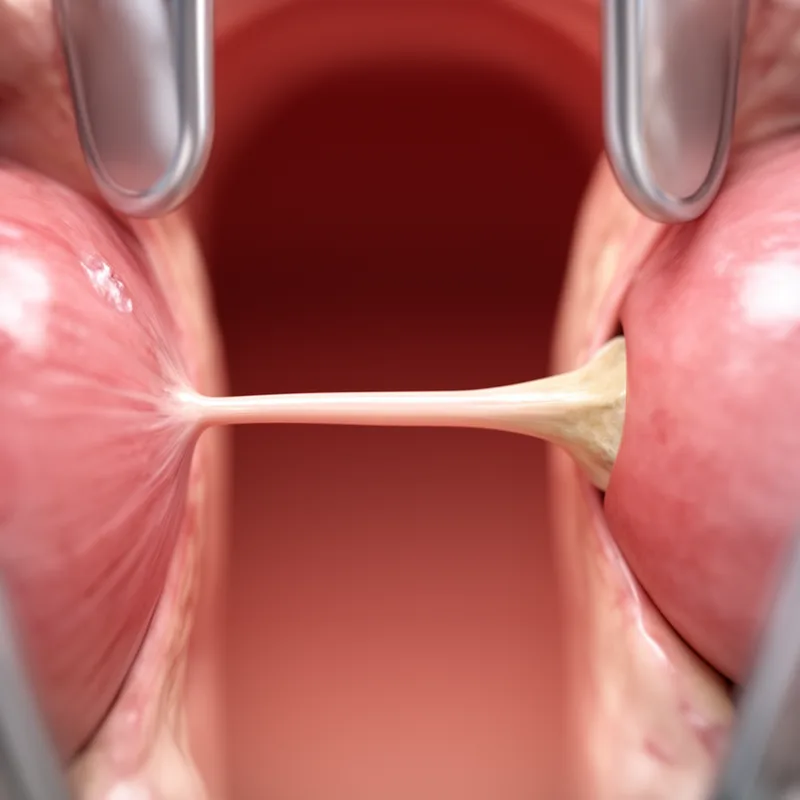
- The chorda tympani nerve carries taste sensations from the front two-thirds of the tongue.
- chorda tympani
- chorda tympani nerve
- chorda tympani, facial
Examples
-
Branches also arise from the facial nerve between the stapedius and the chorda tympani nerves.
Academic text (2003) -
In the 8- to 14-mm period, the posterior auricular nerve appears near the chorda tympani.
Academic text (2003) -
The chorda tympani nerve is identified and preserved.
Academic text (1995) -
The chorda tympani and lingual nerves end near the developing submandibular ganglion.
Academic text (2003) -
The greater and lesser superficial petrosal nerves and the chorda tympani nerve may be absent.
Academic text (1996) -
In the 98 cases in which scutum-lowering was performed, no damage to the ossicular chain or chorda tympani nerve occurred.
Academic text (2006) -
One had cholesteatoma invading the fallopian canal, and the other was found to have a chorda tympani nerve injury at exploration.
Academic text (2006) -
The chorda tympani nerve must be identified and used in conjunction with the incus buttress as landmarks for the identification of the facial nerve.
Academic text (1996) -
The chorda tympani is large and enters the mandibular arch; it terminates near a branch of the mandibular nerve, which will become the lingual nerve.
Academic text (2003) -
The chorda tympani nerve comes off rostrally, courses ventrally to the first pharyngeal pouch, and enters the mandibular arch.
Academic text (2003)
How Thick


Surface Forms
Etymology
Chorda comes from the Greek khordē, which means 'string' or 'gut', and is the same root as English cord and chord. So an anatomical chorda is a cord-like structure in the body, such as a nerve or tendon.