
cholecystokinin


 1
9.9
- noun
- /ˌkoʊlɪˌsɪstəˈkaɪnɪn/
- Specialized
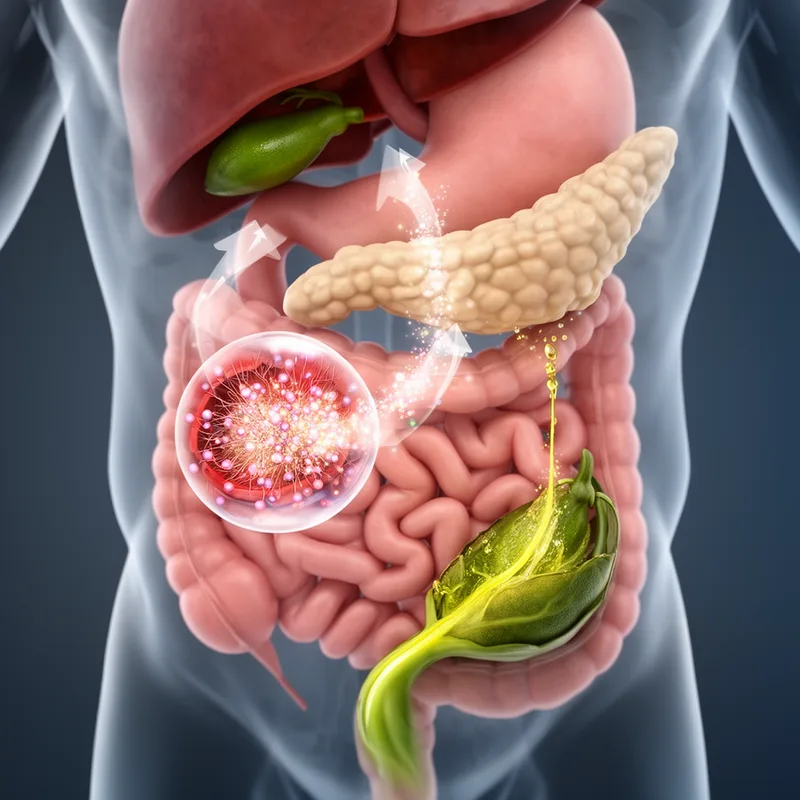
- After eating a meal, cholecystokinin is released, signaling the gall bladder to contract.
Examples
-
The body produces cholecystokinin to aid digestion.
-
Did you know that cholecystokinin helps regulate appetite?
-
High levels of cholecystokinin stimulate the gall bladder to contract and release bile.
-
Researchers are studying how cholecystokinin affects appetite and digestion.
-
The release of cholecystokinin is triggered when fats enter the small intestine.
-
The body releases cholecystokinin to aid in the digestion of fats.
-
Research shows that cholecystokinin can affect appetite regulation.
Surface Forms
Morphology
cholecystokinin = chole + cysto + kinin
The components 'chole', 'cysto', and 'kinin' are derived from Greek and Latin roots related to bile, bladder, and movement, respectively. However, these are not productive English morphemes, making the word opaque for most learners.
Etymology
Cholecystokinin breaks into chole- 'bile', cyst- 'bladder', and -kinin 'to move', the same root you see in kinetic. So, it is a hormone that tells the gall bladder to move or contract to help digestion.