
chloropicrin
- noun
- /ˌklɔːrəˈpɪkrɪn/
- Specialized
- Many pesticides, including chloropicrin, can be harmful.
Examples
-
The pesticide chloropicrin is effective in controlling nematodes and weeds in farming.
-
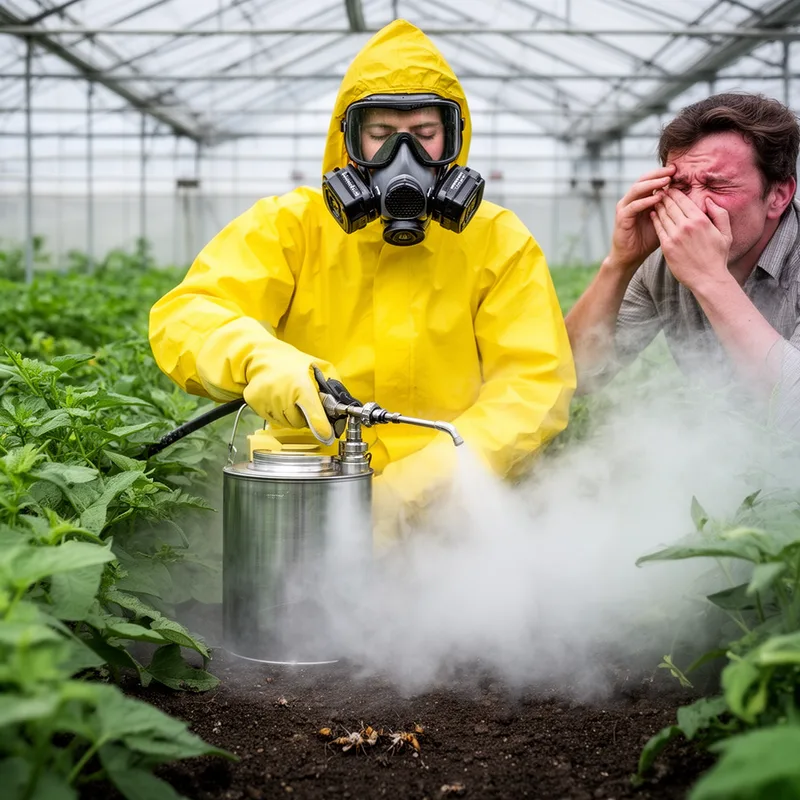
Exposure to chloropicrin can cause severe eye irritation and difficulty breathing.
-
The greenhouse was fumigated with chloropicrin to eradicate soil-borne pests.
-
Workers must wear protective equipment when handling chloropicrin due to its toxic properties.
-
The farmer applied chloropicrin to protect his crops.
-
When exposed to chloropicrin, workers must wear protective gear to avoid irritation to their eyes.
-
The use of chloropicrin as a tear gas in crowd control situations can cause severe respiratory distress.
Synonyms

A heavy colorless liquid that makes your eyes water and causes vomiting, used to kill pests and in tear gas
Surface Forms
Morphology
chloropicrin = picrin (opaque) = chloro + picrin
The term is formed from specialized chemical combining forms; the components are not meaningful to an average B1 learner without chemistry knowledge.
Etymology
Chloropicrin breaks into chloro-, from Greek meaning 'green' and the same part seen in chlorine, and picrin, from a Greek word meaning 'bitter' (as in picric acid). So the name suggests a strong, bitter chemical, which fits its modern use as a pesticide and tear gas that irritates the eyes and makes breathing difficult.

