
chlorocarbon


 1
7.9
- noun
- /ˌklɔːrəˈkɑːrbən/
- Specialized
- It is true that Splenda is simply chlorinated sugar—a chlorocarbon.
Examples
-
For these reasons, current international agreements call for the phaseout of HCFCs by 2020, although, like previous chlorocarbon phaseout targets, this one might also be moved forward.
Academic text (1993) -
Chlorocarbons would still be eliminated, and costs might be substantially lower.
Academic text (1993) -
Food-grade chlorocarbons like Splenda will not break up or dissociate in the human body, nor do they remain in the body; they are simply passed as waste.
Blog text (22) -
To expand the area served by the existing district heating system in Toronto, add cogeneration, and create a chlorocarbon-free district cooling system all expeditiously, the Toronto District Heating Corporation (TDHC) issued a request for proposals from the private sector to purchase TDHC from the city and carry out the needed investments, which could reach $1 billion if the service area is doubled.
Academic text (1993) -
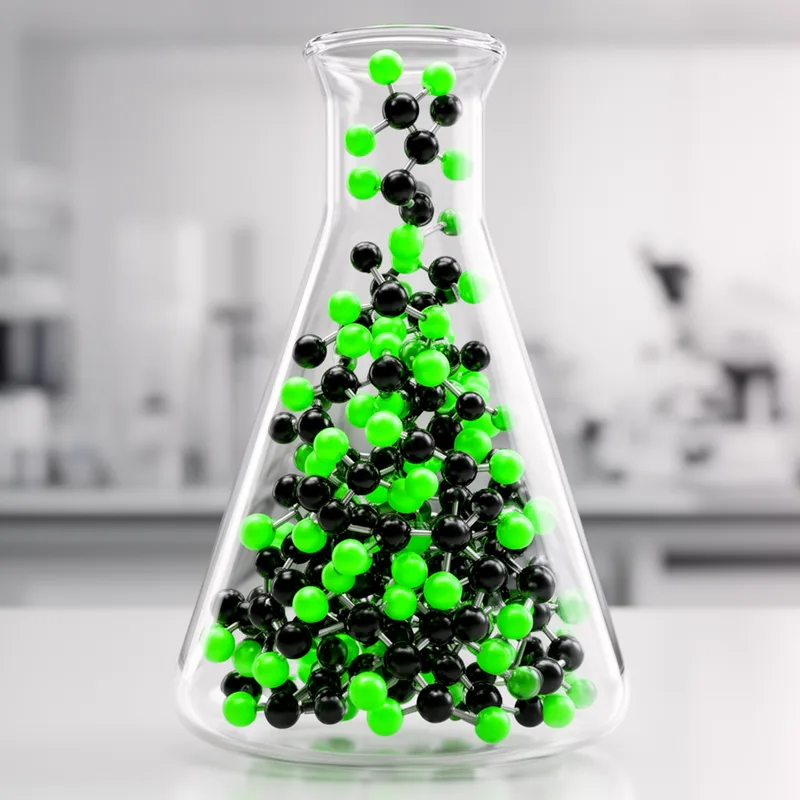
A chlorocarbon is a type of chemical compound that contains both carbon and chlorine atoms.
-
The company is developing new products that do not include any chlorocarbon compounds.
-
Researchers discovered that chlorocarbons can be harmful to the environment when released into the atmosphere.
Surface Forms
Morphology
Etymology
The word chlorocarbon comes from chloro-, a Greek root meaning 'green' that we see in chlorine, and carbon, the element 'carbon'. So a chlorocarbon is a chemical made of both carbon and chlorine atoms.