
chlorination
 1
4.8
1
4.8

- noun
- /ˌklɔːrəˈneɪʃən/
- Specialized
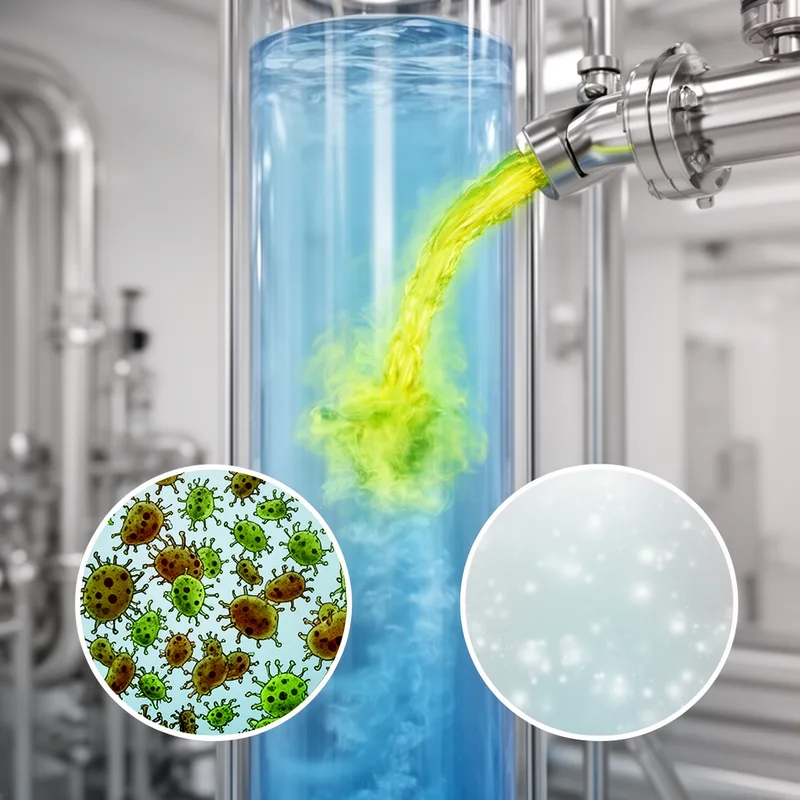
- In many municipalities, chlorination is a standard procedure used to keep the water supply free from pathogens.
- chlorination of water
- chlorination system
- shock-chlorination
Loading YouTube…
Watch on YouTubeWhat most people don't know is that organic matter and chlorination create a very toxic compound called trihalomethanes.
- What most people don't know is that organic matter and chlorination create a very toxic compound called trihalomethanes.
Examples
-
The new chlorination chamber is in a 300' x 100' x 22' high structure.
Academic text (1998) -
No attempt was made, however, to determine if the shock chlorination had immediately disinfected each well.
Academic text (2005) -
"City A" has complete sewage treatment including chlorination of effluent.
Academic text (1996) -
Routine chlorination for a treated recreational water venue will not immediately destroy chlorine-resistant organisms.
Academic text (2008) -
The plant operation consisted of a primary treatment stage of extended aeration followed by chlorination of the effluent.
Academic text (2006) -
The team discovered that the existing chlorination systems serving the regional water supply were technologically antiquated and in disrepair.
Academic text (1997) -
The problem here is mainly phosphorus, which stimulates algal blooms that interfere with the chlorination process.
Academic text (2005) -
The THM rule has made many utilities switch from chlorination to chloramination as a disinfectant byproduct mitigation strategy.
Academic text (2003) -
The process of chlorination is essential for making sure that drinking water is safe from harmful bacteria.
-
During chlorination, chlorine is added to the water to disinfect it and make it safe for human consumption.
How Chlorinated

Surface Forms
Morphology
chlorination = chlorinate (transparent) = chlorine + ation
Formed by adding the regular nominalizing suffix '-ation' to the verb 'chlorinate', yielding the process of adding chlorine.
Etymology
Chlorination comes from the root chloro-, from a Greek word meaning 'green', because the substance chlorine is a yellow-green gas, and the ending -ation shows an action. So chlorination means 'adding chlorine', which explains why we put chlorine into water to kill germs and make it safe.