

chinquapin oak
- noun
- /ˈʧɪŋkəˌpɪn oʊk/
- US
- Carpenters prize the wood of the chinquapin oak for furniture and flooring.
Examples
-
The leaves of the chinquapin oak are similar in shape to those of the chestnut.
-
Many chinquapin oaks grow in the eastern United States.
-
A mature chinquapin oak can provide significant shade in a woodland garden.
-
The chinquapin oak is known for its durable wood.
-
Carpenters prize the wood of the chinquapin oak for furniture and flooring.
-
A mature chinquapin oak can provide significant shade in a woodland garden.
-
The leaves of the chinquapin oak are similar in shape to those of the chestnut.
Synonyms
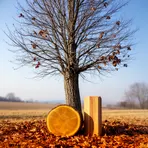
A medium-sized tree that loses its leaves in winter and has strong, hard wood
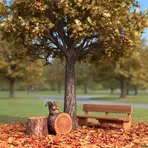
A medium-sized tree that loses its leaves, makes acorns and has strong wood

A medium-sized tree from the eastern United States with strong, durable wood
How Big


Surface Forms
Morphology
The compound denotes a type of oak related to or resembling a chinquapin, so its meaning is directly derivable from 'chinquapin' (a small chestnut-family tree) + 'oak' (a Quercus tree). Noun–noun compounds that name species or varieties are a regular, compositional pattern across languages, so a B1 learner who knows both constituents should be able to infer the meaning.
Etymology
Chinquapin oak comes from chinquapin, a Native American word for a small 'chestnut', and oak, the tree type. People named this oak because its leaves and nuts look like a little chestnut, so the name helps you remember the tree's chestnut-like look and meaning.