
chicot
- noun
- /ˈʃiːkɒt/
- US
Examples
-
Lycurgus Johnson followed his father and arrived from Kentucky in Chicot County in 1835.
Academic text (2009) -
Johnson started his plantation southeast of Lake Chicot near Lakeport Landing.
Academic text (2009) -
Beginning in the 1830s, land and society began to be transformed in Chicot County by the expansion of the slave-based cotton economy.
Academic text (2009) -
This week, 6.04 percent of the state was drought-free, including parts of Columbia, Ouachita, Union, Ashley, Desha, and Chicot counties.
Blog text (28) -
The Lakeport Plantation home, a Greek Revival design constructed ca. 1859 in Chicot County, is a stunning architectural symbol of antebellum plantation life and agricultural history in the Arkansas Delta.
Academic text (2009) -
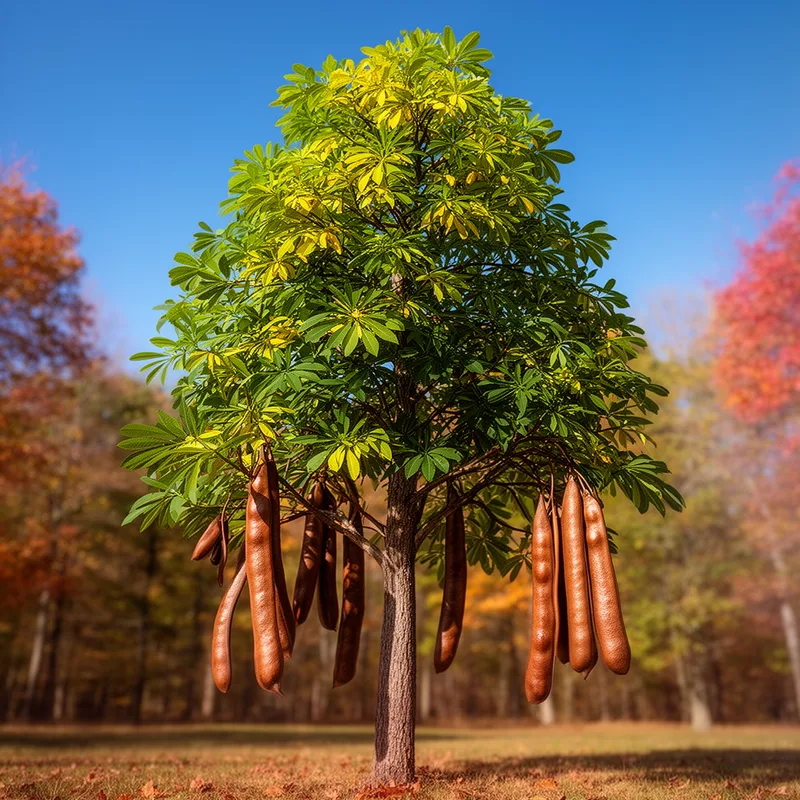
The chicot tree is known for its large bipinnate leaves and unique woody pods filled with seeds.
-
In central and eastern North America, the chicot produces greenish-white flowers that attract various pollinators.
-
Farmers sometimes use chicot seeds as a coffee substitute, highlighting its versatility in different regions.
Synonyms
A large North American tree with many small leaflets and hard brown seed pods

A large tree with divided leaves and woody brown pods whose seeds are sometimes roasted as a coffee substitute

A large North American tree with divided leaves and hard seed pods whose seeds are used as a coffee substitute
Surface Forms
Etymology
The word chicot comes from French chicot, meaning 'stump' or 'broken branch'. French settlers used that name for a tough North American tree with hard, stubby seed pods, so think of chicot as the tree with 'stump'-like pods and seeds people once roasted as a coffee substitute.

