
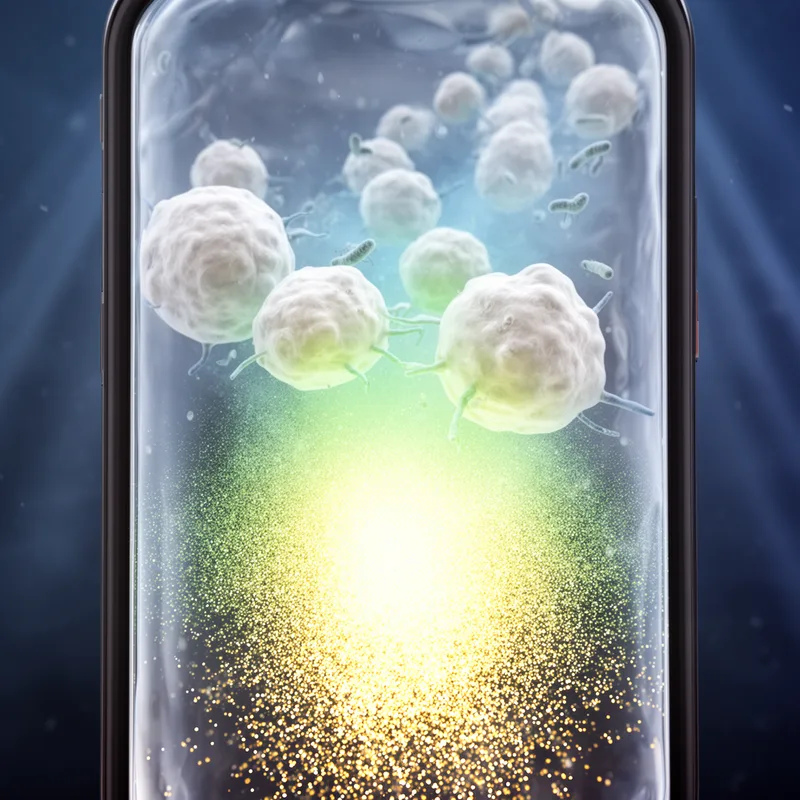
chemotactic


 1
8.7
- adjective
- /ˌkiːmoʊˈtæktɪk/
- Specialized
- In many organisms, chemotactic movement is crucial for locating food sources during foraging.
- chemotactic response
- chemotactic performance
Examples
-
The immune system uses chemotactic signals to guide white blood cells to sites of infection.
-
All configurations improved the chemotactic performance of E. coli, with an autoassociative filter being the best.
Academic text (2012) -
Physics is involved in almost every level of the chemotactic process.
Academic text (2012) -
Of course, those advantages would be limited if the chemotactic mechanisms employed by Dictyostelium were unique to that species.
Academic text (2012) -
Nanomotors can also compose a raft and transport the DNA message through a chemotactic process.
Academic text (2011) -
Microfluidic devices that precisely control the conditions experienced by cells have become an integral component of chemotactic experiments.
Academic text (2012) -
High concentrations of azithromycin are found within phagocytes and are transported via chemotactic mechanisms to the site of infection.
Academic text (1995) -
Sperm show a positive chemotactic response to the cellular contents that are discharged from the neck of a receptive archegonium, typically one per hermaphroditic gametophyte.
Academic text (1998) -
The stimulated macrophages secrete chemotactic factors such as lymphokines, which then attract T-helper (T4) lymphocytes.
Academic text (2003) -
Sperm cells exhibit a strong chemotactic response to certain chemicals released by the egg.
Surface Forms
Morphology
Etymology
Chemotactic comes from chemo- meaning 'chemical' and -tactic meaning 'directed movement'. So a chemotactic signal is like a tiny chemical scent that guides cells to move toward or away from a place.