
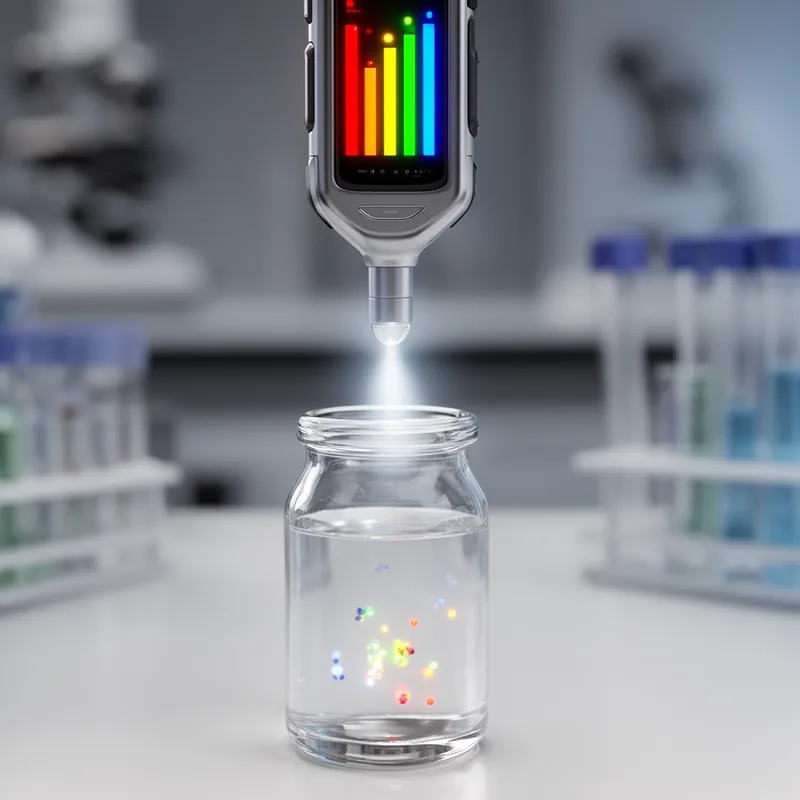
chemosensitivity
- noun
- /ˌkiːmoʊsɛnˈsɪtɪvɪti/
- Specialized
- The chemosensitivity of the new sensor allows it to detect even the smallest traces of toxins.
Examples
-
Researchers are improving chemosensitivity in medical tests to identify diseases earlier.
-
High chemosensitivity is essential for instruments used in environmental monitoring.
-
The chemosensitivity of the test was remarkable.
-
Researchers study chemosensitivity in cancer cells.
-
The chemosensitivity of the new sensor allows it to detect even the smallest traces of toxins.
-
Researchers are improving chemosensitivity in medical tests to identify diseases earlier.
-
High chemosensitivity is essential for instruments used in environmental monitoring.
Synonyms



 1
6.8
Ability to feel or notice very small physical changes
How Sensitive

Surface Forms
Morphology
chemosensitivity = chemosensitive (transparent) = chemo + sensitive + ity
The word is transparently built from 'chemosensitive' by adding the suffix '-ity' to form a noun.
Etymology
Chemosensitivity combines chemo- meaning 'chemical', as in chemistry, and sensitivity meaning 'ability to notice or respond'. So it refers to how well a test or sensor can 'notice' very small amounts of chemicals.