

cheeseflower
- noun
- UK
- The cheeseflower blooms in late spring, adding vibrant color to gardens.
Examples
-
We found several cheeseflowers growing wild along the countryside path.
-
Traditional herbalists often used cheeseflower for its soothing properties.
-
The cheeseflower blooms beautifully in spring.
-
Many gardeners love the cheeseflower for its vibrant color.
-
The cheeseflower blooms in late spring, adding vibrant color to gardens.
-
We found several cheeseflowers growing wild along the countryside path.
-
Many gardeners love the cheeseflower for its vibrant color.
Synonyms
 13
9.9
13
9.9

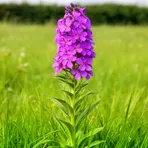
A tall wild plant with purple flowers that grows in fields

A plant that lives for several years and has rosy-purple flowers native to Europe and Asia
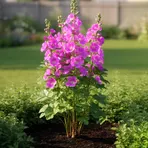
A tall garden plant with pink-purple flowers that grows back every year

A tall herb that lives many years and has rosy purple flowers used in gardens and teas
Surface Forms
Morphology
Etymology
The word cheeseflower comes from the plant's round seed pods that look like 'small cheeses', so people named it by joining cheese and flower. That's why cheeseflower refers to a plant with pretty rosy-purple flowers and cheese-shaped seed pods.