
chantry
 1
9.9

- noun
- /ˈʧæntri/
- Archaic
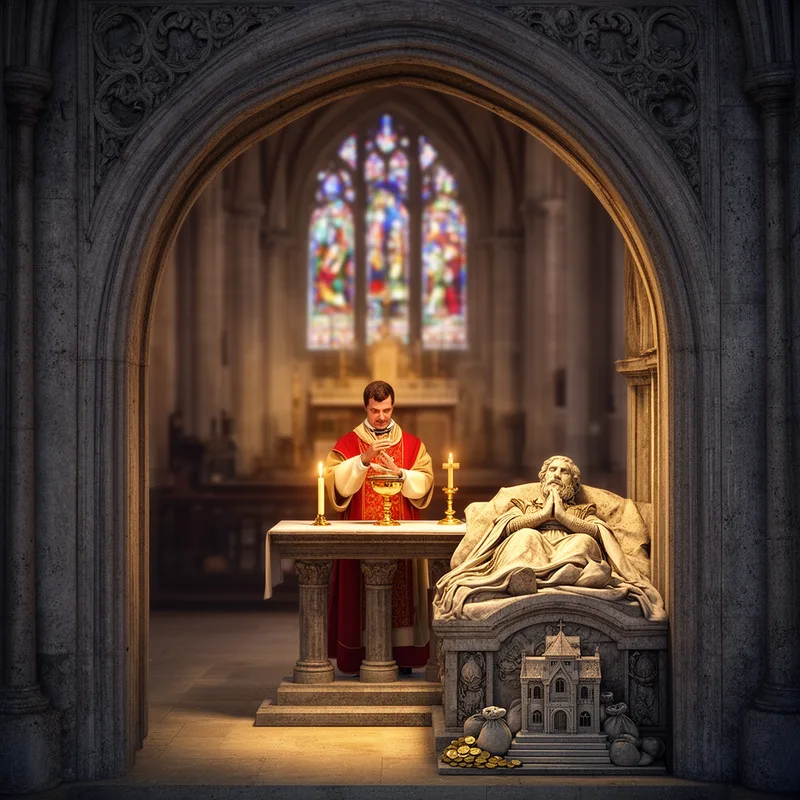
- In medieval times, a chantry was often established to ensure that prayers would be said for the souls of benefactors.
- chantry chapel
Examples
-
I'm starting to think that chantry and gild masses should be revived, too.
Blog text (27) -
Further, numerous chantry and anniversary foundations created by seigneurs in the seventeenth century were for Rosary altars.
Academic text (2018) -
Tom Chantry actually wrote this last night and sent it to me.
Blog text (1) -
And... we're having a going-away party for Chantry, and you should come to it to say goodbye.
-
And I have built two chantries... where the sad and solemn priests sing still for Richard's soul.
-
A more common form of patronage in Brittany was the appointment of chaplains for personal and family chapels and chantries.
Academic text (2018) -
These could be traditional in form, such as the foundation of a chantry Mass in 1594 at the altar of Saint Sebastian in Plougoulin Church for his patron saint by Sebastien, Sieur de Poulensque.
Academic text (2018) -
If the allusion to a medieval referent was at all significant in creating the staircase, wrapping the active tracery around the staircase walls created the effect of the medieval chantry chapel turned inside out.
Academic text (2013) -
After the donations were received, the church built a small chantry to hold daily Masses in memory of the donor.
-
Visitors to the cathedral were often moved by the solemn chantry, where candles flickered in memory of the departed.
Synonyms
 1
8.1
A small chapel or room used for private prayer
Surface Forms
Morphology
Etymology
Chantry comes from an old word for singing, from Latin cantare meaning 'to sing', and it has the same root as the English word chant. It originally meant a place or a fund in a church where priests would sing Masses for the soul of the person who gave the money, so a chantry is remembered as a chapel or gift for those special services.