

cervical glands
- noun
- /ˈsɜrvɪkəl ɡlændz/
- Specialized
- A blockage of the cervical glands may sometimes cause the formation of a nabothian cyst.
Examples
-
The cervical glands produce mucus that helps protect the uterus.
-
Hormonal changes can affect the activity of the cervical glands during the menstrual cycle.
-
The cervical glands produce mucus that helps protect the uterus from infection.
-
Women should monitor the health of their cervical glands regularly.
-
The cervical glands secrete mucus that helps protect the uterus during ovulation.
-
A healthy balance of mucus from the cervical glands is crucial for reproductive success.
-
During her check-up, the doctor explained the function of the cervical glands in maintaining reproductive health.
Synonyms

Small parts in the lower part of the womb called the cervix that make mucus

Glands in the neck of the womb that make mucus
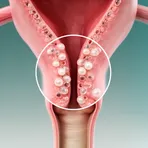
Small glands in the lower part of the womb that make mucus and can form small fluid-filled lumps when blocked
Surface Forms
Morphology
The phrase is a straightforward adjective + noun composition: 'cervical' (related to the uterine cervix) + 'gland' (an organ that secretes fluids), so the meaning 'glands located in the cervix that secrete mucus' is directly inferable from the parts. This medical compound follows regular compositional patterns found across languages, so a B1 learner who knows both constituents would understand it.
Etymology
The noun cervical glands names the small parts in the neck of the womb. Cervical means 'neck' and glands are tiny parts that make 'mucus'. They make this wet 'mucus' to help 'protect' the womb and to help with 'pregnancy'.

