

caveat
 1
8.4
1
8.4

- noun
- /ˈkæviˌæt/
- UK
- A small firm might be able to fall within exceptions that protect small buyers and renters from the doctrine of caveat emptor.
- caveat emptor
Examples
-
The second, even more important caveat concerns one's natural tendency to see matters in terms of dichotomies.
Academic text (1994) -
All US debt is sold with the following caveat:
Blog text (19) -
A preliminary caveat is in order.
Academic text (1991) -
A caveat needs to be made about these conclusions.
Academic text (1992) -
Two caveats are in order at this point.
Academic text (1994) -
Every objector did not go to jail, and Ali was one of them; hence the term and caveat "conscientious objector."
Blog text (34) -
Specifically, Kent did this by expanding the doctrine of caveat emptor, or "buyer beware," and by expanding the types and amount of credit available.
Academic text (1997) -
And the caveat emptor class of investors in this fund were mesmerized until the Ponzi pinch arrived.
Blog text (9) -
The caveat here is that, although law is codified and therefore strives to establish a normative condition, it is not immutable.
Academic text (2004) -
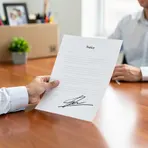
The lawyer filed a caveat to halt the proceedings until the court could review new evidence.
Synonyms
 276
3.4
276
3.4
A formal written message saying someone will end an agreement
Compounds

Surface Forms
Etymology
The word caveat comes from the Latin cavēre 'to beware', the same idea as the English word 'caution'. So in law a caveat is a formal 'warning' filed with a court to pause a case until the filer can be heard.