
caucus
 188
8.1
188
8.1

- noun
- /ˈkɔːkəs/
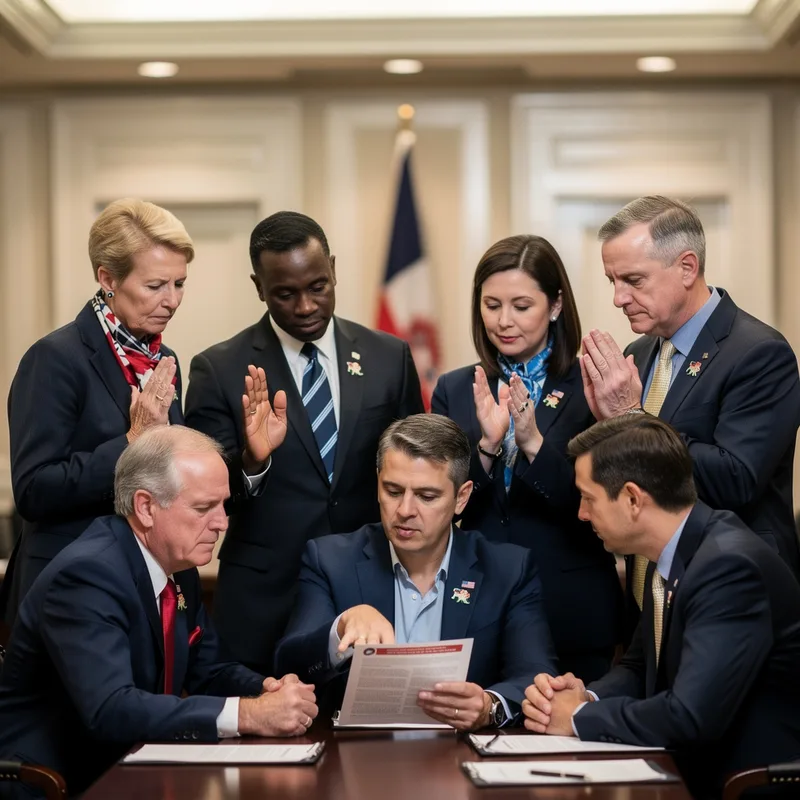
- The local politicians held a caucus to choose their candidate for the upcoming election.
- congressional caucus
- caucus members
- reform caucus
Loading YouTube…
Watch on YouTubeNow tonight on the Vroom vroom shout, face the Nevada caucus and it's runaway winner, Vermont Senator Bernie Sanders Sanders.
- Now tonight on the Vroom vroom shout, face the Nevada caucus and it's runaway winner, Vermont Senator Bernie Sanders Sanders.
Examples
-
The shift to procurement reform began in 1983, when the leadership of the caucus passed to Courter and Kassebaum.
Academic text (1991) -
That’s not the topic of this particular caucus.
-
And I must say that we need a stable caucus and more than ever.
-
Then I will organize a caucus, and we'll take a vote.
-
Overall, the caucus split 9 to 18 against the measure, with Democrats divided 8 to 8.
Academic text (1991) -
By 1985, members of the caucus and others were ready to offer a wide range of reform legislation.
Academic text (1991) -
The Congressional Black Caucus has one of the best environmental voting records on Capitol Hill.
Academic text (1993) -
Despite differences among members, the Caucus has been extremely cohesive and disciplined.
Academic text (1994) -
Members of the Military Reform Caucus worried that the Packard process would snuff the fire they had started.
Academic text (1991) -
For example, last summer WEDO organized a women's caucus during the commission's six-week meeting at UN headquarters.
Academic text (1994)
How Exclusive

Surface Forms
Etymology
Caucus probably comes from a Native American word meaning 'adviser' or 'counsel' that entered English in early American politics in New England. That's why a caucus is a private meeting where party members give advice, choose candidates, or plan strategy.