
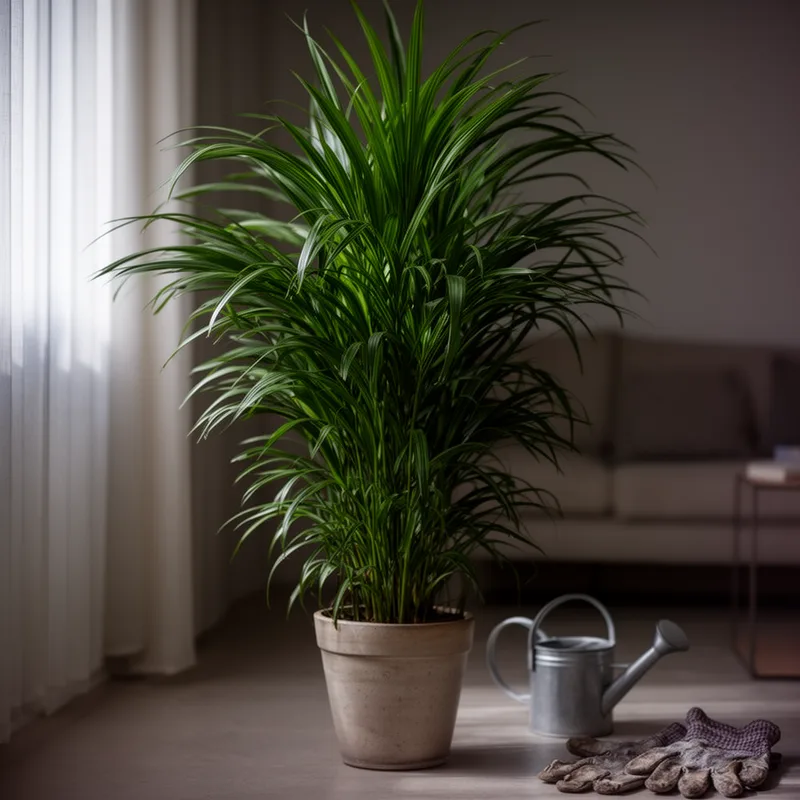
cast-iron plant
- noun
- /ˈkæstˌaɪərn plænt/
- Many people choose the cast-iron plant for their homes because it requires very little care.
Examples
-
The cast-iron plant is known for its durability and can thrive in low-light conditions.
-
So this is just a cast iron plant, but it has this really cool speckling on all of the leaves.
-
The leaves of the cast-iron plant are thick and resilient, making it an ideal houseplant.
Synonyms


 1
9.9
1
9.9
A common houseplant with large shiny leaves that stays green all year

A strong houseplant with broad shiny leaves that grows well in low light

A plant with large green leaves that people keep indoors for decoration
How Resilient
4
4.9
 1
3.6
1
3.6
- South African
1
4.3
Surface Forms
Morphology
The meaning is directly compositional: 'cast-iron' means very durable and 'plant' denotes the organism, so the phrase denotes a particularly resilient plant. This adjective+noun pattern is straightforward and cross-linguistically common, so a B1 learner who knows both constituents would readily infer the MWE's meaning.
Etymology
Cast-iron plant probably comes from a simple image: gardeners saw its large, tough leaves and compared them to cast-iron, a strong metal that does not break easily. That's why the name now suggests a plant that is 'hard to kill' and needs very little care.