
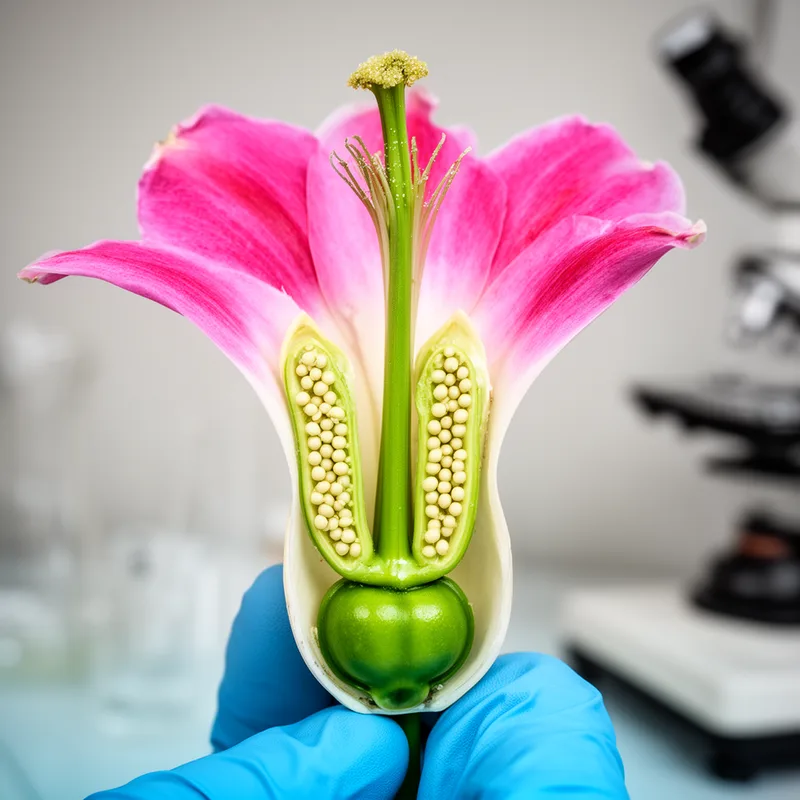
carpellate
- adjective
- /kɑrˈpɛlɪt/
- Specialized
- Some species produce only carpellate flowers, while others have both male and female types.
Examples
-
The carpellate flowers develop into fruit after pollination.
-
Botanists examined the carpellate structures under a microscope.
-
The carpellate flowers attract many pollinators.
-
Some plants are carpellate and produce seeds.
-
Many flowering plants are carpellate, meaning they bear structures that develop into fruits.
-
The plant's carpellate parts contribute significantly to its reproductive process.
-
In biology class, we learned that a carpellate flower contains the female reproductive organs.
Synonyms


 1
9.8
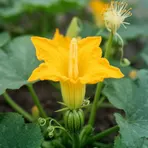
A flower that has only female parts and no male parts
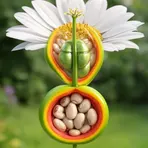
Relating to the female parts of a flower that hold seeds and form the fruit
Antonyms

Surface Forms
Morphology
Etymology
The word carpellate comes from the root carpel-, from the Greek karpos meaning 'fruit'. A carpel is the part of a flower that holds seeds and later becomes fruit, so carpellate means 'having carpels', that is, having the female parts that make fruit.