

carnivalesque
- adjective
- /ˌkɑrnɪˈvælɛsk/
- Literature
- The film features a carnivalesque style that humorously critiques social norms and challenges traditional values.
- carnivalesque inversion
Examples
-
The carnivalesque and excessive way by which Bus Uncle becomes culturally legitimate, however, is not uniformly endorsed.
Academic text (2016) -
The drama embraces both the grandeur and horror of war, cruelty and compassion, human and animal, demonization and idealization, tragic vision and carnivalesque inversion.
Academic text (2017) -
Television incorporated some of these carnivalesque practices.
-
In fact, the novel itself seems to carry out the same kind of carnivalesque profanation which Alarcon regrets having participated in as a young man.
Academic text (1994) -
At the turn of the nineteenth century, there emerged a range of new forms of politically oriented carnivalesque spectacles and parades in which theater was literally "brought onto the streets."
Academic text (2002) -
For Assange, the elites are the subversive Wikipedians, as it were, engaged in an anarchic, carnivalesque rebellion to undermine the legitimate governing institutions.
Blog text (26) -
Unlike the stately and serious prologue to Henry V, where Shakespeare calls upon the audience to "swell the scene," Jonson creates yet another carnivalesque inversion: Littlewit shrinks the scene to fit the limited minds of his patrons.
Academic text (2003) -
The festival turned into a carnivalesque celebration filled with laughter, costumes, and playful chaos.
-
During the parade, the carnivalesque atmosphere allowed everyone to mock authority and enjoy the festivities.
Synonyms
 32
6.3
32
6.3

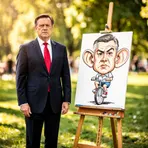
Using humor to make fun of people's faults, often about politics
How Subversive

Surface Forms
Morphology
Etymology
Carnivalesque comes from carnival, a festival where people wore masks and joked about leaders, and the ending -esque which means 'in the style of'. So something carnivalesque often turns social rules upside down and uses humor and chaos to mock authority.