
carnitine
 1
6.5

- noun
- /ˈkɑrnɪˌtiːn/
- Specialized
- This is most common as a supplement for weight loss, and, in fact, many bottled or powdered beverages contain L-Carnitine because it can aid in weight loss, especially if partnered with exercise.
- L-carnitine
- Carnitine deficiency
- Carnitine levels
Loading YouTube…
Watch on YouTubeSo the red meat contains choline and carnitine.
- So the red meat contains choline and carnitine.
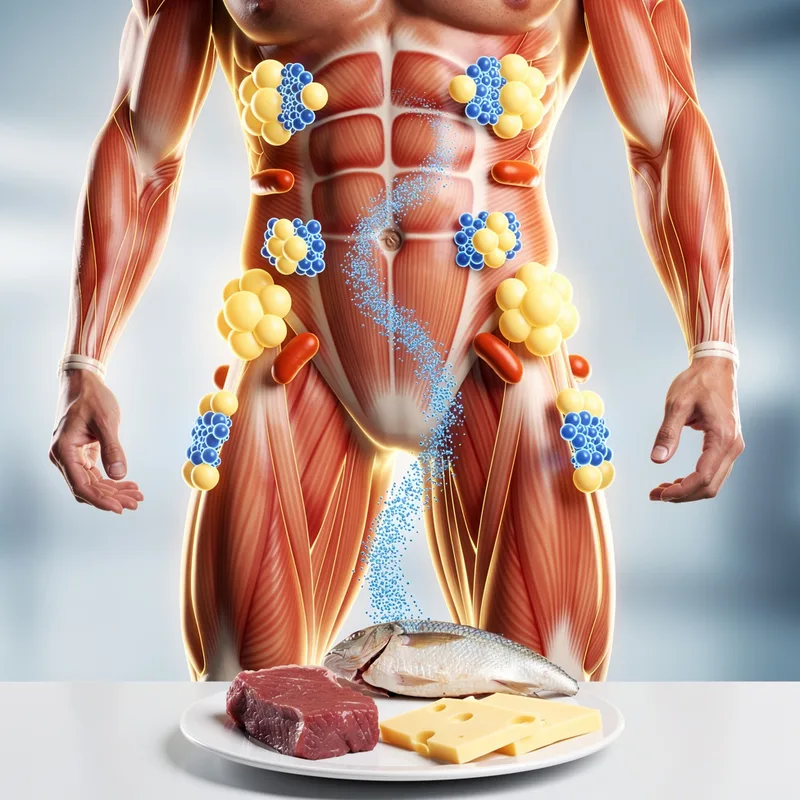
- L carnitine and acetyl L carnitine in particular facilitates fat oxidation.
- Injectable L carnitine of about one mil, one mig per day.
- For example, if you're eating beef, you're eating for creatine, carnitine, taurine and serine, bioavailable iron, zinc, selenium.
Examples
-
L-Carnitine must be taken in capsule or pill form.
Blog text (26) -
Yet another very good diabetic supplement is carnitine, the prominent ingredient in diet pills and drinks.
Blog text (21) -
L carnitine and acetyl L carnitine in particular facilitates fat oxidation.
-
Finally, I would strongly advise you to add foods rich in carnitine to your ASD child's diet.
-
Beef with Carnitine: Carnitine is mainly used to support fat metabolism, resulting in branched-chain amino acids.
Blog text (3) -
Carnitine lowers cholesterol and assists diabetics in reducing weight during the procedure.
Blog text (21) -
One of the most popular ingredients in these cellulite creams is L-Carnitine, an amino acid that is naturally produced in the body.
Blog text (2) -
To assist with fat loss leading up to a show, I also take L-Carnitine, Body Ripped HGH + ZMA, and Thermogen Liquid.
Blog text (19) -
Many athletes take carnitine as a supplement to help convert fat into energy during workouts.
-
Foods like red meat and dairy contain carnitine, which is important for fat metabolism.
Surface Forms
Morphology
carnitine = carni + ine
A technical chemical name built from the combining form 'carni-' (flesh) + the chemical suffix '-ine'; the specific biochemical meaning ('helps turn fat into energy') is specialized and not inferable by an average B1 learner from these parts.
Etymology
The word carnitine comes from the Latin root carni- meaning 'meat' or 'flesh', the same root you see in carnivore. It was named because the substance is found in meat and in our bodies and helps turn fat into energy, so thinking of carnitine as a 'meat' fuel for muscles makes the meaning easier to remember.