
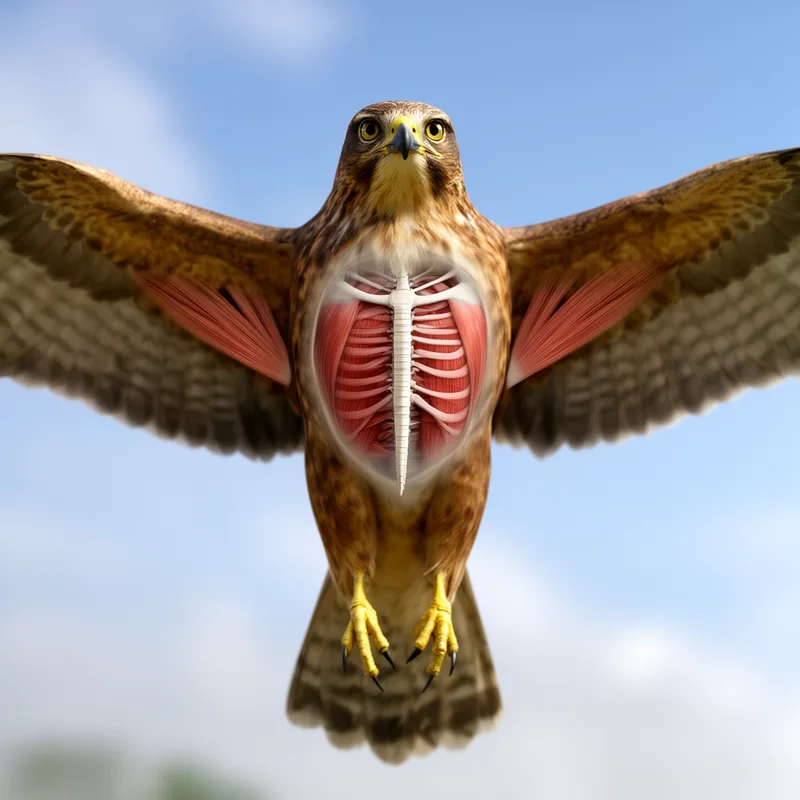
carinate
- noun
- /ˈkɛrɪneɪt/
- Specialized
- The majority of living birds are classified as carinates due to their keeled breastbones.
Examples
-
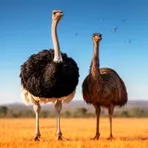
Unlike ratites, carinates possess a breastbone that supports powerful flight muscles.
-
The fossil record shows a clear distinction between carinates and flightless birds.
-
The carinate birds are known for their powerful flight.
-
Many carinates exhibit unique adaptations for soaring.
-
Scientists study how carinates evolved to develop strong flight muscles for better aerial performance.
-
Most birds, including eagles and sparrows, are considered carinates because they have keeled breastbones.
-
In the animal kingdom, carinates play a vital role in the ecosystem as they are adept at flying.
Synonyms

A bird with a raised ridge on its breastbone that holds strong wing muscles
Antonyms


Compounds
- Specialized
A bird with a raised ridge on its breastbone that holds strong wing muscles
Surface Forms
Etymology
Carinate comes from the Latin carina, meaning 'keel', the same ridge on a boat. Birds called carinates have a keeled breastbone like that ridge to hold strong flight muscles, so the name points to birds built for flight.