

to care for
 349
1.9
349
1.9

- phrasal verb
- /kɛr fɔr/
- I think they really do care for each other a lot, a lot.
Loading YouTube…
Watch on YouTubeBut you don't really care for music, do ya?
- But you don't really care for music, do ya?
- Like it's just yeah, I didn't care for any of it.
- He was the only one that that I cared for, you know what I mean?
- I think they really do care for each other a lot, a lot.
- They don't really care for what they call the rally people.
- So yes, like the beginning didn't care for the ending.
- I love you, I care for you, I'm grateful for you.
- And what that means is we want to measure how much people care for other people.
- There might be jumps and that I don't actually care for those.
- So I did want to mention it, which is someone who I don't think cares for me.
- Hell, I don't even care for the woman to contribute financially.
Examples
-
And here I thought you cared for them.
-
We care for each other.
-
Because I was tired of seeing the people that I love and care for die.
-
The world needs us to care for each other and look out for each other.
-
I find I care for you even less right now.
-
Suppose he does care for this girl.
-
I really care for you, Storm.
-
I love you, I care for you, I'm grateful for you.
-
You gentlemen sure you don't care for a drink?
-
She truly cares for her elderly neighbor, often bringing her food and helping with errands.
Synonyms
 ∞
1.0
∞
1.0
To enjoy a person or thing
 286
2.0
286
2.0
To give someone special help or treatment
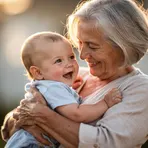 274
2.4
274
2.4
Love someone or something very much
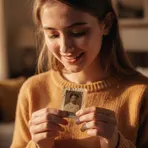 204
3.0
204
3.0
To feel deep love for someone or something and treat it with care
 76
2.9
76
2.9
To value someone or something a lot
 22
3.5
22
3.5
To care about someone or something very much
Antonyms


How Fond

Surface Forms
Morphology
The sense 'to like' is related to the general meaning of 'care' (to be concerned or affectionate) but is not a direct compositional result of 'care' + 'for' given the cited headword 'to look after'. The preposition 'for' does not transparently contribute the specific sense 'to like', and many learners may confuse the 'look after' vs 'like' readings, so prior exposure aids understanding.
Etymology
Care for also means 'to like' or 'to want' because of a small everyday scene: imagine someone offering a cup of tea and you show interest — you care for the tea, so you want it or enjoy it.