
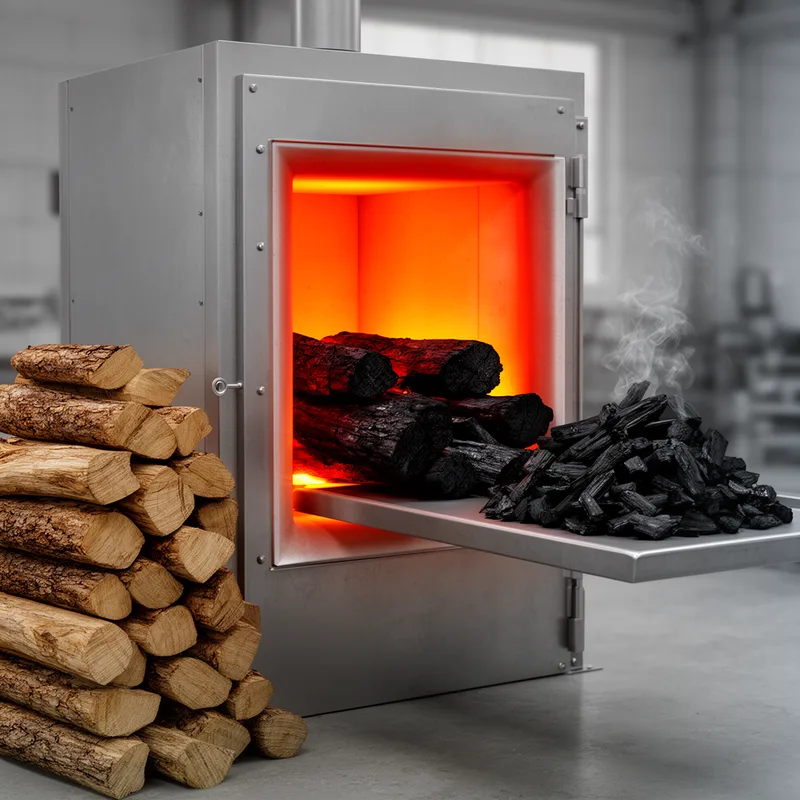
to carbonize
 1
7.2
1
7.2

- verb
- /ˈkɑrbəˌnaɪz/
- Specialized
- The archaeologist discovered ancient pottery that had carbonized after a fire.
- carbonized wood
Examples
-
Wood, paper, and cellulose quickly carbonize in the ground.
Fiction book (1998) -
You need energy to grow and carbonize seaweed, so it's essentially the same thing.
Blog text (28) -
The color black is produced from the carbonized roots of manioc.
Academic text (2004) -
Vestiges of carbonized grain, chickpeas, and beans were discovered in Jolia.
-
After a one-hour survey, all we've found are a few pieces of carbonized wood under the overhang and two small, round depressions on a fallen boulder the size of a refrigerator.
Academic text (2008) -
When exposed to high heat, the wood will carbonize and turn into charcoal.
-
If you cook the meat too long, it will carbonize and become inedible.
Synonyms
To heat a material without air so it breaks into gas, liquid, or solid parts
How Carbonized

Surface Forms
Morphology
Etymology
Carbonize comes from carbon, a word that originally meant 'charcoal' or 'coal', the black stuff left after burning. So to carbonize something is to 'turn it into charcoal' or char it by heat.