
capriccio


 1
9.9
1
9.9
- noun
- /kəˈprɪtʃioʊ/
- Specialized
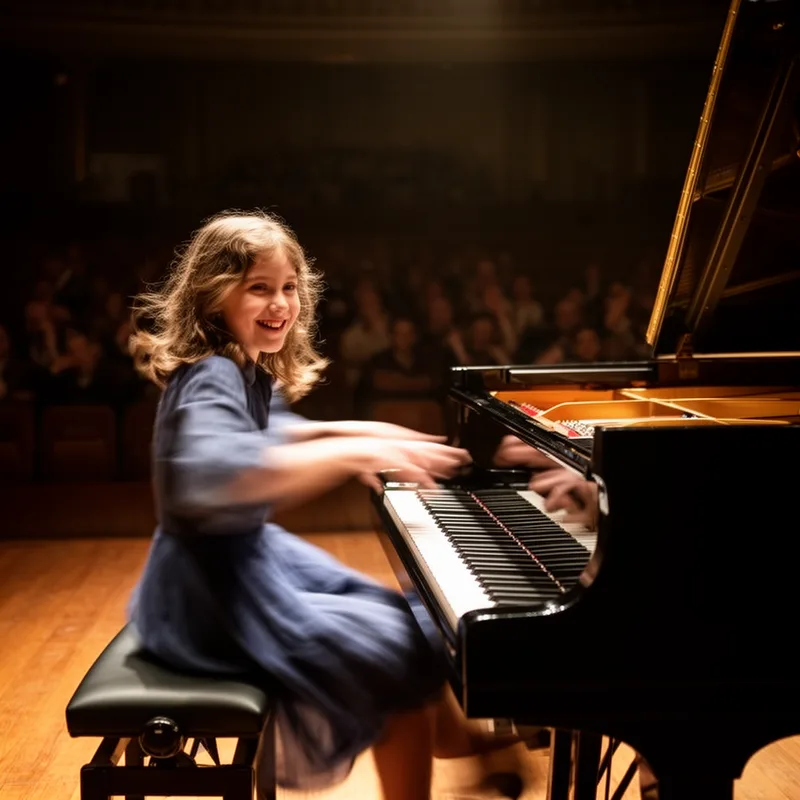
- Composed as a free-form capriccio, the music flowed effortlessly between distinct themes and moods.
Examples
-
The conductor introduced the piece as a lively capriccio that showcased the orchestra's improvisational skills.
-
BILLY: Oh, that's the Villa Capriccio, famed in song and story, a three star attraction in Baedeker.
-
Tchaikovsky, Peter. Symphonies No. 4, 5, and 6; ballet music from The Nutcracker, Romeo and Juliet, Sleeping Beauty, and Swan Lake; Capriccio Italien.
Academic text (2000) -
Many composers use a capriccio to express their creativity without the constraints of traditional musical forms.
Synonyms
 8
8.2
8
8.2
A free musical piece that mixes familiar tunes and made-up parts
 1
9.9
1
9.9
A fast piece for piano or organ with free, showy passages that show the player's skill
How Lively

Surface Forms
Etymology
Capriccio comes from the Italian word capriccio, meaning 'whim' or 'sudden change', and is the same root as English caprice and capricious. So a musical capriccio is a short, lively piece that feels free and full of unexpected turns.