
camber


 1
8.6
1
8.6
- noun
- /ˈkæmbər/
- Specialized
- The off-road vehicle's camber was designed to enhance traction on uneven terrain.
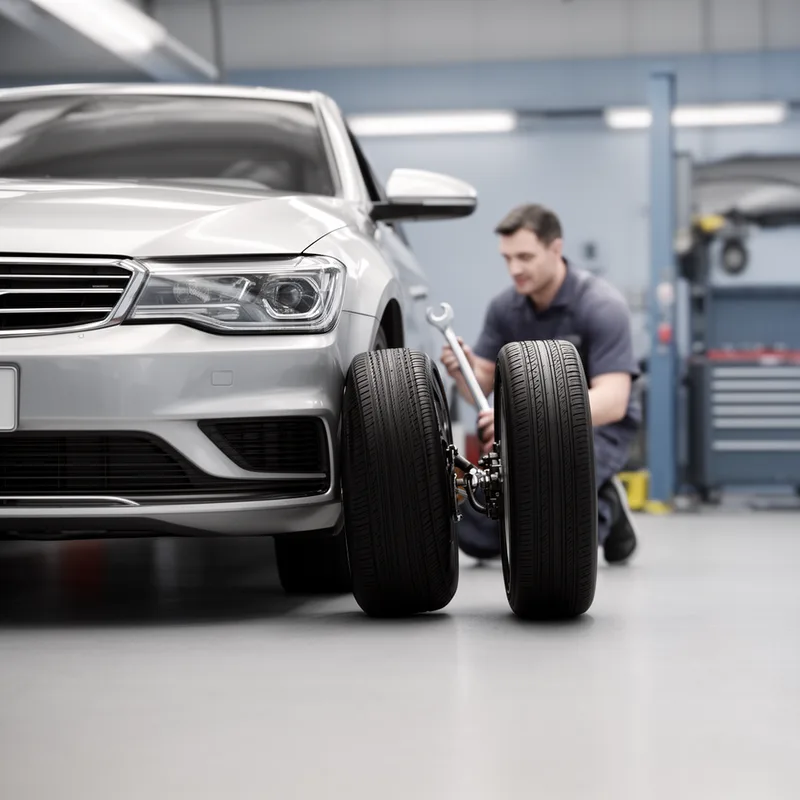
- wheel camber
Examples
-
While the 8th gen is known for alignment issues, mainly rear camber, cupping is 9/10 related to shocks/struts.
Blog text (32) -
Other manufacturers use a mounting plate that can be shimmed to the desired camber and alignment.
Academic text (1993) -
Rear wheel camber was set at 4 degrees.
Academic text (1994) -
A camber of about 10 degrees is preferred by most users but varies between individuals from around 2 degrees to as much as 12 degrees.
Academic text (1993) -
The wheel camber is defined as the angle formed by the rear wheel and the positive vertical axis in the frontal plane.
Academic text (1992) -
The frame was molded to partially shroud the rear wheels with 10.75 degrees of camber.
Academic text (1993) -
Too much camber often stresses the spokes and decreases wheel rigidity (3).
Academic text (1993) -
The wheel camber was set at 8 degrees from the vertical; the seat base at 12.5 degrees from the horizontal; and the backrest at 90 degrees from the seat base.
Academic text (1992) -
Wheel alignment, including caster, kingpin inclination, wheel camber, and wheel toe-in; this concerns the two steering wheels.
Blog text (15) -
The mechanic adjusted the camber of the wheels to improve the car's stability during turns.
Compounds

- Specialized
An arch with a flat top and a slightly curved bottom used in doorways or bridges
Surface Forms
Etymology
The word camber comes from the old French cambrer, which meant 'to bend' or 'arch'. So a car's camber is the slight 'bending' of the wheel inward or outward, and that bent shape changes how the car handles.