
caesura
 1
9.9
1
9.9

- noun
- /sɪˈzjʊərə/
- Literature
- The stressed "lo!" calls the reader to pay close attention to the impending action, and the caesura gives the reader time to imagine the climactic event.
Examples
-
But sometimes there is something in there called a "caesura," which is a pause.
-
Wherever I am, I'm constantly reminded of the caesura that appeared in my life when I immigrated.
Academic text (2010) -
But, as well, the "Oh" of grief harbors the "O" of apostrophe, marking, with the pronounced caesura that precedes it, the apostrophic turn itself.
Academic text (2002) -
The first line begins with an iambic foot ("But lo!") followed by a caesura, a dactylic foot ("Arion"), and an amphimacer ("leaped on high").
Academic text (2016) -
Shields' literary allusions suggest an intellectual woman's love poem, and her repeated use of enjambment and caesura gives her poem a conversational, unconventional tone.
Academic text (2013) -
In poetry, a caesura often emphasizes a dramatic pause, allowing the reader to reflect on the preceding line.
-
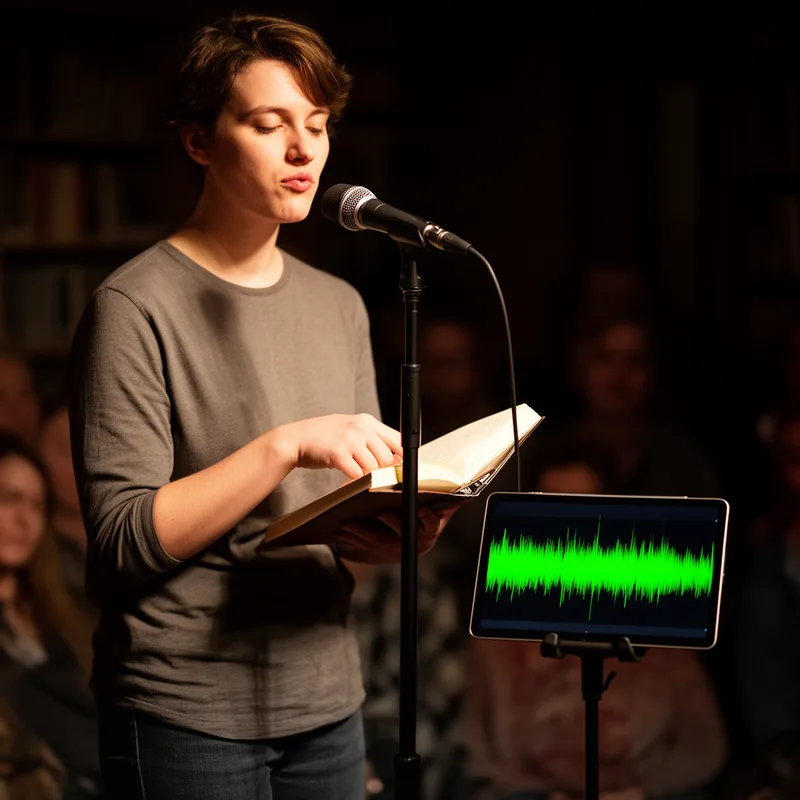
The speaker paused for a brief caesura in her speech, creating a moment of tension before the big reveal.
-
During the discussion, a caesura in conversation allowed everyone to gather their thoughts before moving on.
Synonyms


Antonyms


How Long

Surface Forms
Etymology
The word caesura comes from the Latin caedere, which means 'to cut'. Think of a caesura as a 'cut' in a line of poetry or in speech that makes a clear pause, the same basic idea behind the word decide where you 'cut off' other choices.