

cache
 19
6.1
19
6.1

- noun
- /kæʃ/
- Specialized
- The computer uses a cache to speed up access to frequently used files.
Loading YouTube…
Watch on YouTubeThis is where not having a DRAM cache can hurt you.
- This is where not having a DRAM cache can hurt you.
- OK, so you basically right click the clip and then you click on render cache color output.
- So data directed service, basically a cache service caching all the blockchain data and the people user can do search.
Examples
-
To increase the efficiency of this process, TLBs cache translation information for recently accessed pages.
Academic text (1994) -
If the addresses are not for the same cache line, the reload is given higher priority.
Academic text (1994) -
In order to process a request for data from the cache, the following steps must be completed:
Academic text (1999) -
That means there are caches private to each core.
-
In fact, we actually probably have two caches, one for data and one for instructions.
-
Both processor cores share a 3 MB level 2 cache, which allows efficient multitasking.
Academic text (2011) -
After running the program, the cache stored temporary information to improve loading times.
-
To enhance performance, the application retrieves data from the cache instead of fetching it from the server.
Synonyms

 1
4.8
1
4.8
A small, fast part of a computer that stores often used data to make access quicker
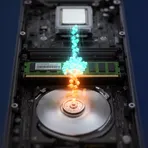
A part of a computer's memory that stores often used data so the computer can read it faster
Compounds

- Specialized
1
4.8
A small, fast part of a computer that stores often used data to make access quicker
- Specialized
A part of a computer's memory that stores often used data so the computer can read it faster
How Fast
- Specialized
5
7.0

- Specialized
19
6.1
- Specialized
3
2.8
- Specialized
12
3.0
- Specialized
Surface Forms
Etymology
Cache comes from the old French verb cacher, meaning 'to hide', and the computing sense uses the same idea: a hidden store of data kept close so the computer can use it quickly.