

buttercup family
- noun
- /ˈbʌtərˌkʌp ˈfæmɪli/
- Specialized
- Columbines and clematis are less obvious members of the buttercup family.
Examples
-
Many common wildflowers in the meadow belong to the buttercup family.
-
The buttercup family includes many beautiful flowers.
-
The buttercup family contains more than 2,000 species of plants worldwide.
-
Many species in the buttercup family thrive in wetlands.
-
Hellebores are a type of plant in the buttercup family, which includes many colorful flowers.
-
The buttercup family is known for its diverse species, including the common buttercup.
-
Plants in the buttercup family often thrive in wet meadows and fields.
Synonyms


 1
9.9
1
9.9
A group of plants that make flowers, including buttercups and clematis

A group of flowering plants that includes buttercups and clematis
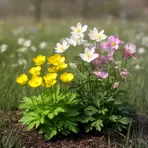
A group of plants with flowers that includes buttercups and anemones
Surface Forms
Morphology
The meaning 'a family of flowering plants' is directly and transparently derived from combining 'buttercup' (a plant) with 'family' (a grouping of related species). This follows standard taxonomic/compositional patterns common across languages, so a B1 learner who knows both words would readily infer the MWE's meaning.
Etymology
Buttercup family comes from the small flower called a buttercup: its bright yellow color looks like butter and the petals make a shallow cup, creating a clear picture. The word 'family' here means a 'group' of related plants, so the phrase names all the plants that are like the buttercup.