

bullock
 2
7.9
2
7.9

- noun
- /ˈbʊlək/
- UK
- The farmer raised several bullocks for meat on his ranch.
- bullock cart
Examples
-
Instead, she becomes a plow-woman, tilling the fields with a bullock.
Academic text (1995) -
Buy a lamb, a white dove, a bullock for sacrifice.
-
And Aaron shall offer his bullock of the sin offering...
-
The dawn sacrifice of a fat bullock had brought Brave Pride in from Lion's Rest.
Fiction book (1996) -
Most of us can still use horse-driven carriages or bullock carts.
Blog text (9) -
The shore is lined with rows of bullock carts and heaps of merchandise for transport.
Academic text (2005) -
We've gotta brand the calves, give them their shots, castrate the bullocks.
-
To begin with, the tigress saw the bullock as prey—something to satisfy her hunger.
Academic text (2003) -
Jacob listened to the clopping hooves of the bullock and wondered if the bullock's black eyes had rested on Alice as she walked in the marketplace.
Fiction book (2001) -
In the field, the bullocks worked hard to pull the plow.
Synonyms
 20
1.0
20
1.0
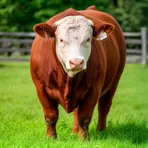
A large male cattle made unable to breed and used to pull heavy farm tools
 16
6.7
16
6.7
A young male cow that has been castrated and is raised for beef
Compounds

- Archaic
A small wheel used with a rope to help raise sails at the top of a ship's mast

Surface Forms
Morphology
Etymology
Bullock comes from the word bull plus an old small ending -ock, so it originally meant 'little bull'. Because calmer, castrated males were often used for work and meat, the word came to mean a castrated, working male cattle.