
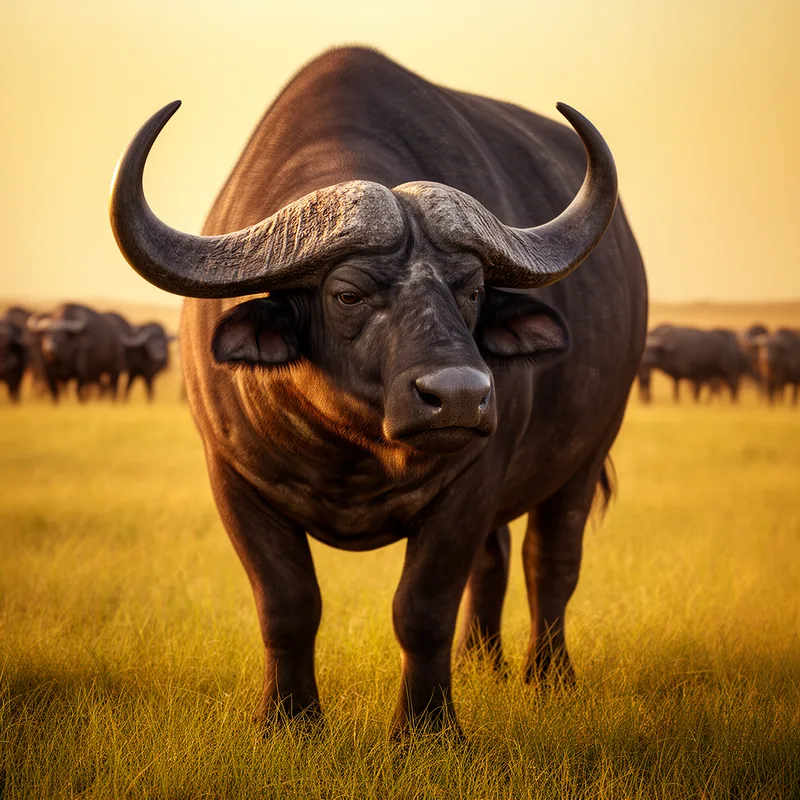
bubaline
- adjective
- /ˈbjuːbəˌlaɪn/
- Specialized
- The animal's large horns and strong build gave it a bubaline appearance.
Examples
-
The fossilized skull showed distinctly bubaline features.
-
The animal showcased several bubaline characteristics that resembled a buffalo.
-
She studied the bubaline migration patterns across Africa.
-
The bubaline features of the animal were striking.
-
She admired the bubaline sculptures in the museum.
-
The animal's large horns and strong build gave it a bubaline appearance.
-
The fossilized skull showed distinctly bubaline features.
Surface Forms
Morphology
bubaline = buffalo (semi-transparent) = bubal + ine
The adjective is formed with the productive suffix '-ine' meaning 'relating to', and the sense 'relating to buffalo' is clear, but the root form 'bubal' is obscure compared with the common word 'buffalo', so recognition is only partial for average learners.
Etymology
The word bubaline comes from the old Latin word bubalus and the Greek boubalos, both meaning 'buffalo' or 'wild ox'. So bubaline means 'like a buffalo', and you can remember it by thinking of a large, horned animal like a buffalo.

