
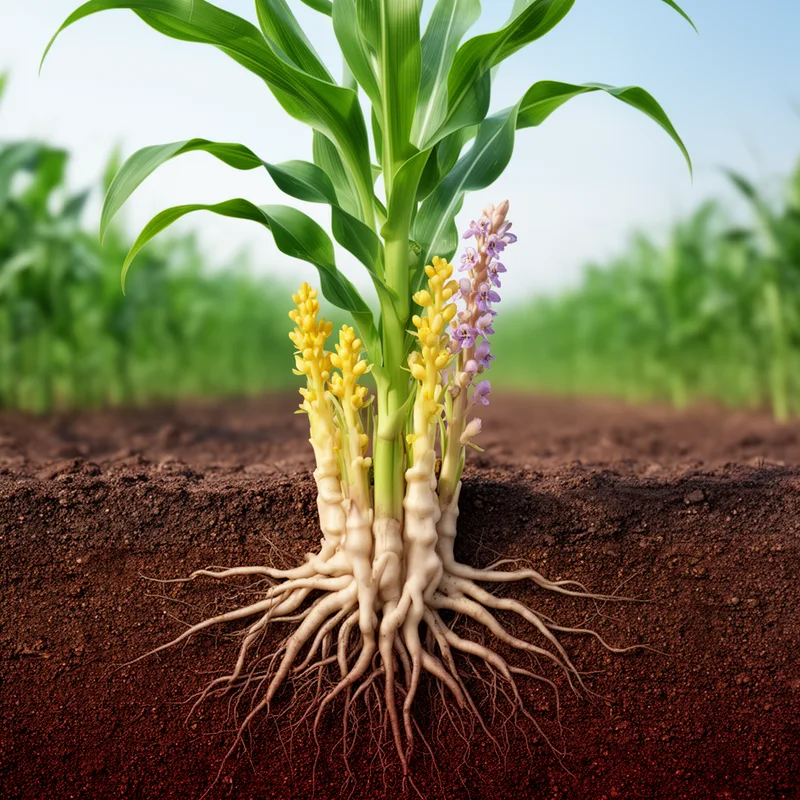
broomrape
- noun
- /ˈbrumˌreɪp/
- Specialized
- Farmers worry when broomrape appears in their fields because it can damage crops.
Examples
-
We found a cluster of broomrape growing near the roots of the old oak tree.
-
The botanist studied the broomrape that had invaded the wildflower meadow.
-
The broomrape is a unique plant species.
-
Many gardeners dislike broomrapes for their parasitic nature.
-
The broomrape is a parasitic plant that grows on the roots of other plants, often damaging them.
-
Farmers must be careful of broomrape, as it can severely affect their crops by stealing nutrients.
-
When broomrape infects a field, it can lead to reduced harvest yields for local farmers.
Synonyms
 111
4.2
111
4.2

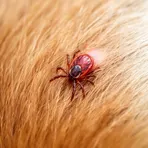
A living thing that lives on or inside another living thing and takes food from it

A plant that lives on other plants' roots and takes food from them
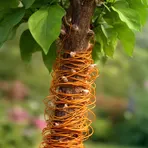
A plant that lives on another plant and takes its food from it
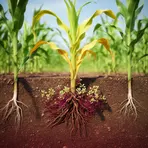
A plant that grows on crop roots and makes them weak
Compounds

- Specialized
A group of small plants without leaves that are brown or yellow and live by taking food from other plants
Surface Forms
Etymology
Broomrape probably mixes the shrub broom and an old word rape meaning 'to seize' or 'take'. So a broomrape is easy to remember as a plant that 'takes' food from the roots of broom or other plants, which explains why it harms its host.