
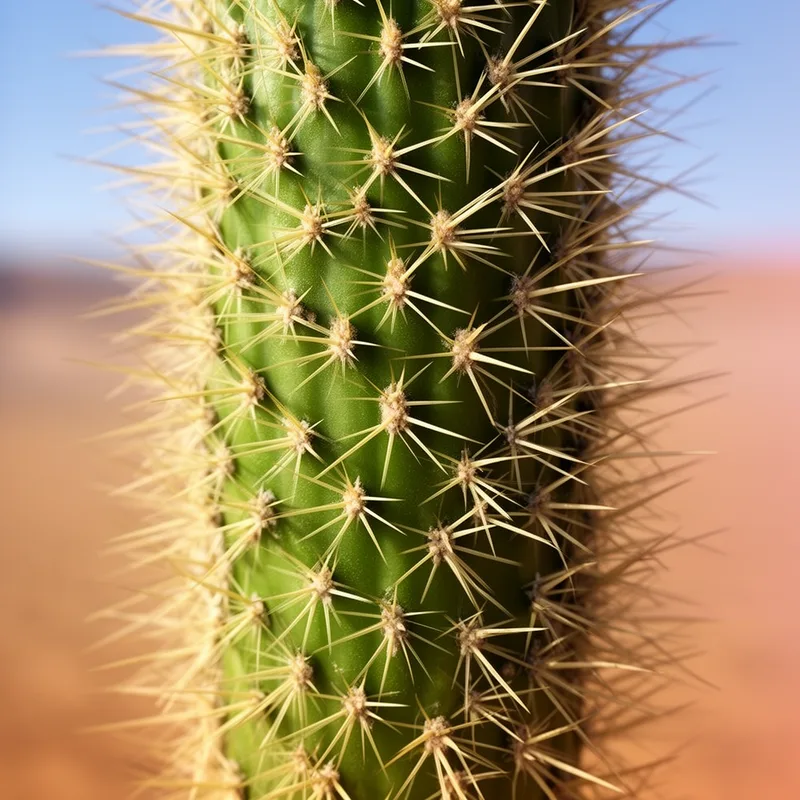
to bristle
 4
4.6
4
4.6

- verb
- /ˈbrɪsəl/
- Artus noted with awe that the ape's back was covered with bristling spines.
Examples
-
The books bristled with slips of paper marking ideas she meant to discuss with the Nicholsons.
Fiction book (1992) -
If she had fallen, she'd have landed on top of a tumble of fallen timbers bristling with rusty nails.
Fiction book (1992) -
"The hair on my arms bristled, though the room was warm."
Fiction book (1998) -
Her skin was mottled red here and there and lightly bristled with hair.
Fiction book (1994) -
The tiny hairs that run down my stomach and vanish into my shorts bristle against her flat, brown stomach.
Fiction book (1995) -
Today, Mrs. Estes had on an orange cap that bristled up like a rooster's comb.
Fiction book (1999) -
The craft bristled with so many spears that it resembled the back of a porcupine.
Fiction book (1999) -
The ships around her bristled with antennae, but no such unsightly extrusions marred her perfection.
Fiction book (1991) -
The Sharer insect veered back down the tunnel, whose ceiling bristled with dog-tooth calcite crystals as big as Rod's thumb.
Fiction book (1998) -
The dog was bristling with excitement as it prepared to play with its favorite toy.
Phrasal Verbs


Compounds
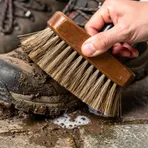
- Specialized
1
3.7
A brush with short, stiff hairs for cleaning or painting rough surfaces

- Specialized
A small fern with thin, often almost clear leaves that grows on trees or mossy banks
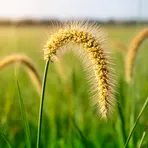
A grass that has curved flower spikes and long stiff hairs under each small flower
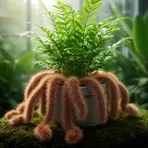
- Specialized
A fern with soft, hairy creeping stems that look like a rabbit's foot

Surface Forms
Etymology
The verb bristle comes from the same old word for 'stiff hair', so it originally meant 'to be covered with short, stiff hairs'. So to bristle can mean that an object or surface is thickly covered with hair-like things, just like a brush full of bristles.