
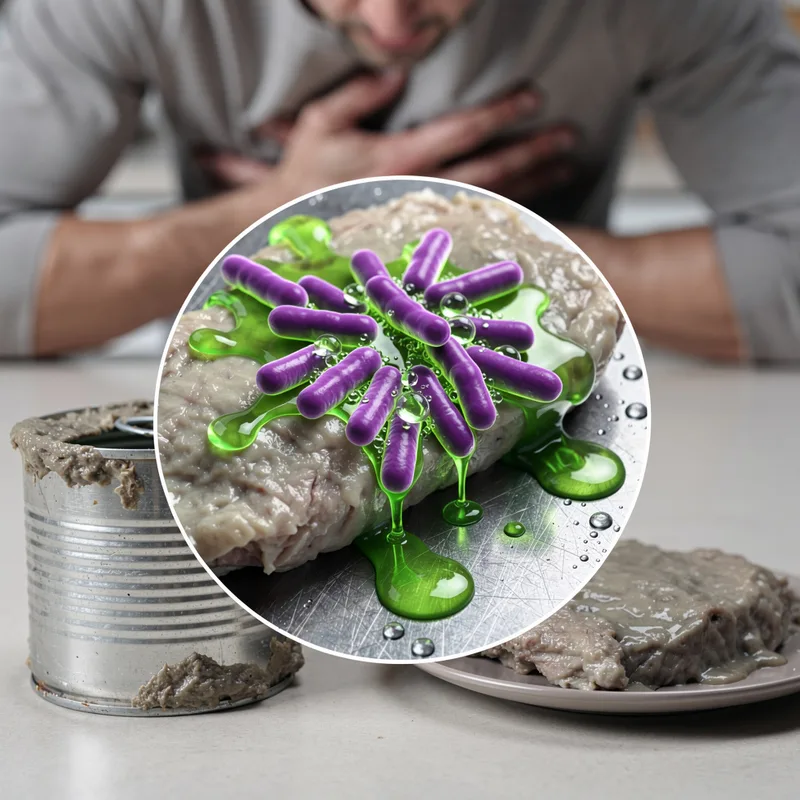
botulinum
 4
9.9
4
9.9

- noun
- /ˌbɑːtʃəˈlaɪnəm/
- Specialized
- Several reviews and three meta-analyses have already reported that Botulinum Toxin A is effective in improving ease of care in stroke patients.
- botulinum toxin
- Clostridium botulinum
- Botulinum Toxin A
Examples
-
Clostridium botulinum is a bacterium that grows without oxygen.
Fiction book (1999) -
Both trials using the Goal Attainment Scale found significant improvements with Botulinum Toxin.
Academic text (2015) -
In this review, only two trials used targeted therapy in conjunction with Botulinum Toxin; both found significant results.
Academic text (2015) -
One of the most deadly toxins known to humans is the botulinum toxin.
Blog text (13) -
A literature search was carried out for all relevant studies from 1989 (date of approval of Botulinum Toxin for clinical use).
Academic text (2015) -
On the bench stood the glassware he used for crystallizing the botulinum toxin.
Fiction book (1999) -
The "Tanaka model" is still used by the industry when formulating cheese spreads to prevent the growth of Clostridium botulinum.
Academic text (2008) -
In addition, the indications for using botulinum toxin A (Botox) in the larynx have expanded during the past decade.
Academic text (2004) -
Yet, physicians inject botulinum toxin (a.k.a. Botox) into people's faces to smooth out wrinkles.
Blog text (13) -
Clostridium botulinum is a bacterium that can cause a serious illness known as botulism.
Synonyms

A bacterium that grows without oxygen and makes a poison causing severe food poisoning
A germ that grows without air and makes a poison that causes serious food poisoning
Compounds

- Specialized

 1
7.5
1
7.5
A very strong poison made by bacteria that stops muscles from working and that doctors use to relax them

- Specialized
A medicine made from germs that relaxes muscles to treat muscle tightness and reduce wrinkles
- Specialized
A bacterium that grows without oxygen and makes a poison causing severe food poisoning
Surface Forms
Etymology
Botulinum comes from the Latin botulus, which means 'sausage' because the illness was first linked to people who ate bad sausages. It names a kind of bacterium that makes the botulinum toxin, so the word reminds you of the dangerous food link.