borning

borning

1 9.9
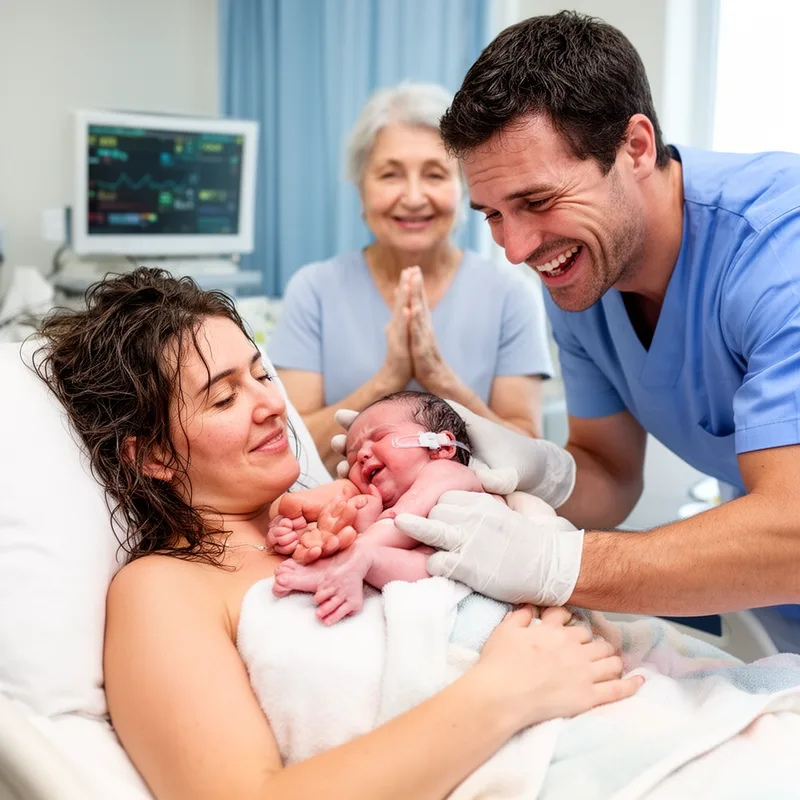
The time when a baby is born
  • noun
  • /ˈbɔrnɪŋ/
  • Archaic
: nacimiento
  • In her book, she beautifully describes the miracle of borning from the mother's perspective.

Examples

  • The flame is snuffed a-borning.

  • The village celebrated the borning of the long-awaited child with joy and music.

  • Traditionally, a special ceremony marks the borning of a newborn in many cultures.

Synonyms

birth
vsborning
∞ 1.0

The process when a baby or young animal comes into the world

is an older literary word used instead of this common neutral term
delivery
vsborning
112 3.0

Giving birth to a baby

is an older literary expression rather than this plain practical word
childbirth
vsborning
69 2.3

The time when a woman has a baby

is archaic or literary rather than this neutral modern term
birthing process
vsborning
3 3.4

The physical stages a person goes through when a baby comes out of their body

is broader, referring to the event rather than the specific physical stages
birthing
vsborning
3 4.1

Relating to a person or thing involved in giving birth
is a noun naming the act itself rather than a descriptive word
giving birth
vsborning
2 1.9

To have a baby when it comes out of the mother's body

is an older literary term used instead of this everyday active phrase
nativity
vsborning
1 7.6

The event of being born, the start of a person's life
is archaic and literary rather than this term that stresses origins
nascence
vsborning
1 9.9

The time when something first begins to exist, like an idea or a civilization

is mainly an older literary label while this covers starting to exist generally
nascency
vsborning
1 9.9

The time when something first appears

is an archaic literary form rather than this broad word for beginnings

Antonyms

∞ 1.0

The end of a living thing's life

Surface Forms

borning singular
bornings plural

Morphology

borning = born (semi-transparent) = born + ing

Formed from 'born' + '-ing' to denote the event, but the formation is archaic and 'born' is a past participle rather than a regular verb base.

Etymology

Borning comes from the same root as born, birth, and bear, where the old verb meant 'to carry' and 'to give birth'. So borning as a noun means the act of being born, like 'birth'.