
borate
 1
8.4

- noun
- /ˈbɔːreɪt/
- Specialized
- A human study of occupational exposure to borate dust showed no adverse effect on reproduction.
- borate-treated lumber
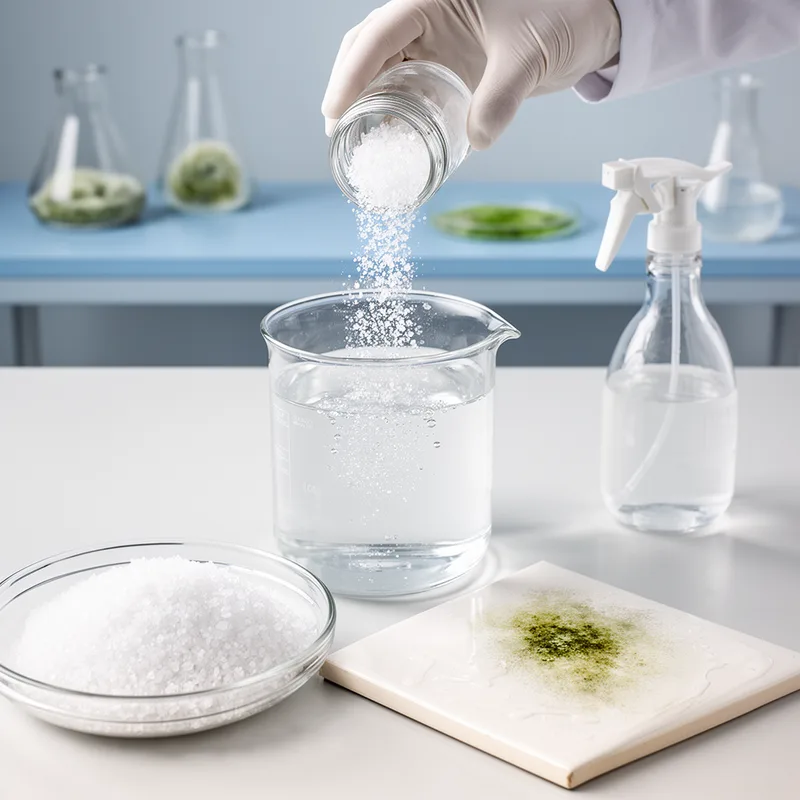
- borate solution
Examples
-
Hawaiian Earth Products, Ltd. recently concluded testing of composting gypsum board, borate-treated lumber, and painted lumber (excluding lead-based paint) under a state grant.
Academic text (2001) -
Animal ingestion studies in several species, at high doses, indicate that borates cause reproductive and developmental effects.
Blog text (18) -
The main concern was making sure the borate levels were diluted enough to avoid phytotoxicity.
Academic text (2001) -
The company concluded that gypsum and borate lumber from new construction can be composted easily.
Academic text (2001) -
Hawaiian Earth also concluded that borate-treated lumber could be used as a compost in minimal amounts.
Academic text (2001) -
The nontoxic material containing borate salt is applied at the same time the wood is colored, says Amos Ferman, the company's president.
Academic text (2000) -
The baking soda will essentially release the borate ion from there and the borate ion will connect the polymers of glue together and turn it into slime.
-
The Park Service has treated the wood with borate, a chemical that slows dry rot.
-
Some manufacturers treat panels with borate to enhance insect resistance.
-
In the meantime, borate rods are used to prevent decay in wooden structures.
Surface Forms
Morphology
Etymology
Borate comes from the element name boron, which was named after the mineral borax, a white natural substance. The ending -ate is a common chemical ending that means 'a salt or acid form', so borate is simply a salt related to boron.