
bone ash


 1
7.4
1
7.4
- noun
- /boʊn æʃ/
- Specialized
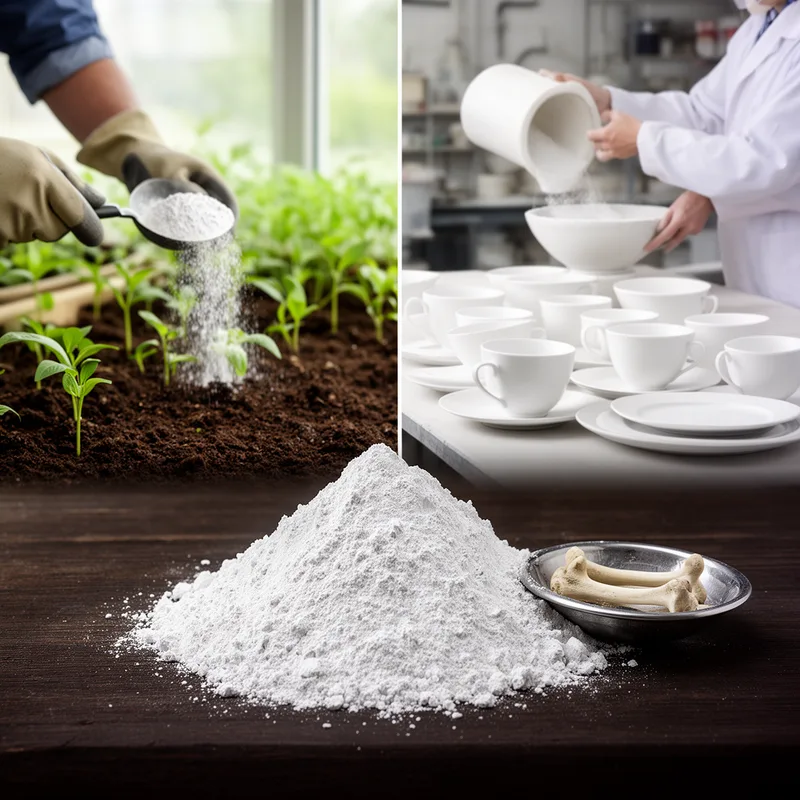
- Potters often mix bone ash with clay to create strong and elegant dishes.
- made of bone ash
Examples
-
They'll also blend in preferred fluxes like talc and bone ash that act like shortening in a cake mix.
Fiction book (1998) -
At other times, he saw the murderer spreading bone ash at the base of his backyard lilacs.
Academic text (2010) -
Testing confirmed that the rampart walls were coated with bone ash to make the patina more durable.
Academic text (2009) -
To keep their bones strong, historical accounts say they downed vile brews of charred wood or bone ash, both of which are rich in calcium.
Academic text (2008) -
Finally, the cupels were made with bone ash, which separates noble metals from lead by absorbing the latter, leaving the gold or silver on the surface.
Academic text (2004) -
The farmer uses bone ash to enrich the soil in his garden.
-
In the production of bone china, bone ash is an essential ingredient that provides durability and whiteness.
Synonyms

A powder made from crushed animal bones that adds nutrients to soil
Surface Forms
Morphology
Etymology
The compound bone ash comes from burning animal bones and keeping the white ash that is left. Because this ash has a lot of calcium, potters used it to make 'bone china' and gardeners added it to soil, so the name means 'ash from bones' today.