
bluntness
4.3
A lack of a sharp edge or point that makes cutting hard
- noun
- /ˈblʌntnəs/
:
desafilado
- The bluntness of the old axe prevented it from making a clean cut through the wood.
Examples
-
Provo didn't have propriety over bluntness.
Fiction book (1995) -
She seemed to have a higher forehead, a just-scrubbed look, a nakedness of feature, and a new bluntness to her gaze.
Fiction book (2002) -
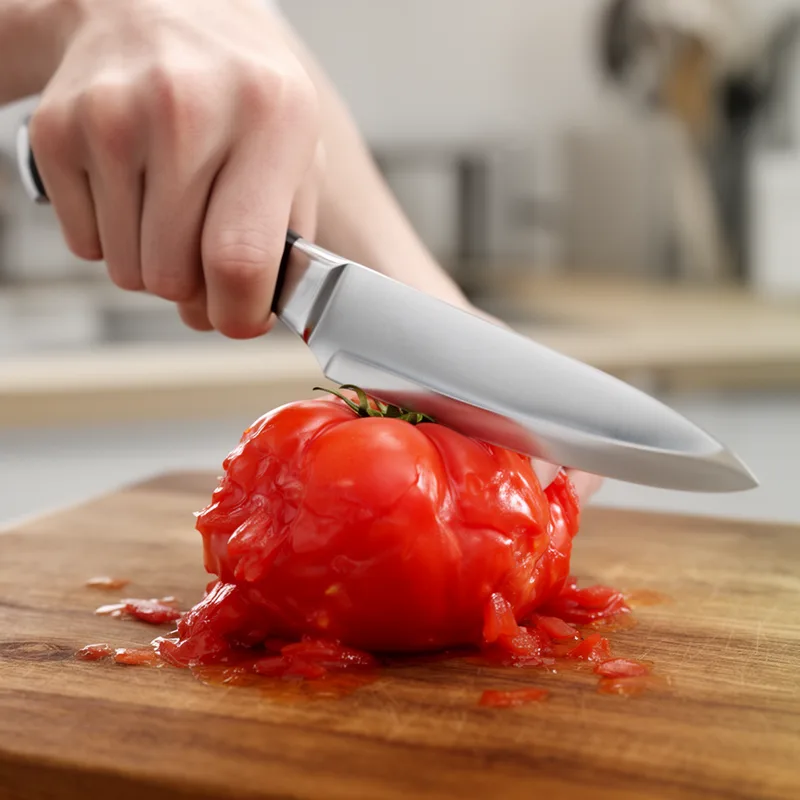
The knife's bluntness made it difficult to chop vegetables effectively.
-
His bluntness when speaking often offended others, as he rarely softened his words.
Synonyms

obtuseness
vsbluntness
7.5
Lack of a sharp edge or point on an object
is the exact synonym used as an alternative term

dullness
vsbluntness
2.3
A blade that is not sharp
is the same quality expressed as a single descriptive word

unsharpness
vsbluntness
6.1
Lack of a fine edge that makes knives or scissors cut poorly
is the general quality that applies beyond tools or blades

unpointedness
vsbluntness
9.9
A thing with a dull, rounded, or missing tip
is a broader quality of lacking a sharp edge or point overall
Antonyms


How Sharp

Surface Forms
bluntness singular
bluntnesses plural
Morphology
Etymology
Bluntness comes from the old word blunt, which meant 'dull' or 'not sharp'. So, bluntness describes the quality of having no sharp edge, like a knife or pencil that cannot cut or write cleanly.