

blunted
- adjective
- /ˈblʌntɪd/
- In the rainy weather, the bright colors of the flowers appeared blunted and less vibrant.
Loading YouTube…
Watch on YouTubeAnd the tools we use are old and decrepit and blunt and not very good.
- And the tools we use are old and decrepit and blunt and not very good.
- So the conflict and the, the, the prospect of blunt force trauma, it didn't really scare me.
- Those are actual chemical signals, and the less active a person is, the more those signals are blunted.
- As you can imagine, the needle got blunted by repeated use, which meant that the injection was extraordinarily painful.
- Many people that I've talked to who have taken turmeric get a severe blunting of affect and libido.
- They actually lessened the response to fear, and they blunted the normal increase in anger sensitivity across the day.
- We're more awake at night because our circadian rhythm is blunted.
- All were his earthly iron, both blunt and bad, And through great age had lost their kindly sight.
- And so there seems to be a kind of regression toward what I'm calling the emojification or the kind of high amplitude expression with, with blunt tools.
Examples
-
The Ottoman onslaught had been merely blunted, not defeated.
-
But then there are the others who kind of shut down and become very blunted and retreat into themselves.
-
After a brief, terse clash on this northern flank, the Royalist Foot was easily blunted with heavy losses.
-
The criticism was so harsh that it blunted her enthusiasm for the project.
-
His anger was blunted by the kind words of his friends.
Synonyms
 17
1.0
17
1.0

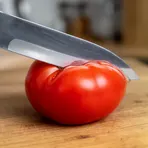
Not having a sharp edge so it cuts poorly
Made less strong or clear

Made less strong, harsh, or loud
Antonyms


How Sharp

Surface Forms
Morphology
Etymology
The word blunted comes from blunt, which means 'dull' or 'not sharp' and is the same root you see in blunt instrument. An old idea links blunt to a word for 'sleep' because being sleepy makes you less sharp, so something blunted has lost its sharp edge or its strong feeling.